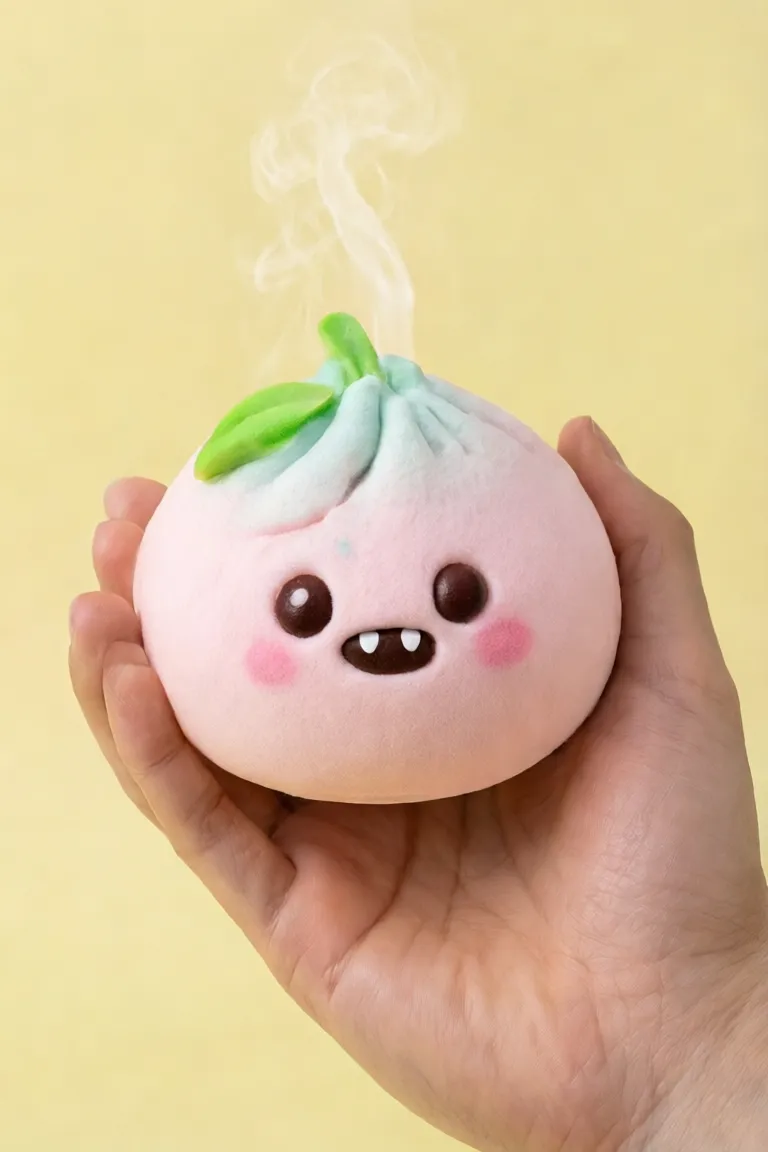
 squishy
Slow-rise squishy foam is a soft, open-cell polyurethane foam that compresses when you squeeze it and returns to shape slowly because air has to flow back into its tiny pores and the material’s flexible cell walls recover at a delayed rate. Unlike a standard sponge that snaps straight back, the foam in a slow-rise dumpling or bao holds the squashed shape for a moment, then springs back over several seconds. The exact rebound time depends on foam density, cell size and wall thickness, as well as the shape and thickness of the squishy itself. In this guide, you’ll learn what the foam is made from, how air and viscoelastic behaviour create the slow rise, and how to care for your slow-rise dumpling squishy.
What Is Slow-Rise Foam Made From?

Slow-rise squishy foam is a type of soft polyurethane foam. Polyurethane is a polymer created by mixing two liquid components — a polyol and an isocyanate — which react to form a solid foam with millions of tiny pockets, or cells. In slow-rise foam, those cells are mostly open, meaning the walls between them have small gaps. That open-cell structure is key to the slow recovery, because air can move from one cell to another when you press the foam.
The foam used in kawaii squishies is deliberately formulated to be low-density and highly flexible. Low density means there is more air relative to solid polymer, so the squishy feels light and soft. The polymer itself is flexible enough to deform without tearing, but it has enough internal friction to resist snapping back. On a practical level, that translates to a squishy that gives under your fingers, then returns to its original shape in a slow, controlled way rather than bouncing.
If you are buying a slow-rise squishy in the UK, toys placed on the market in Great Britain must carry the UKCA or CE marking under the Toys (Safety) Regulations 2011. The harmonised EN 71 standards cover mechanical and physical properties (EN 71-1), flammability (EN 71-2) and migration of chemical elements (EN 71-3). Those standards relate to toy safety requirements; the foam chemistry itself can vary between manufacturers, but the law sets out the marking and age-warning rules that apply where relevant.
The Science of the Slow Rebound
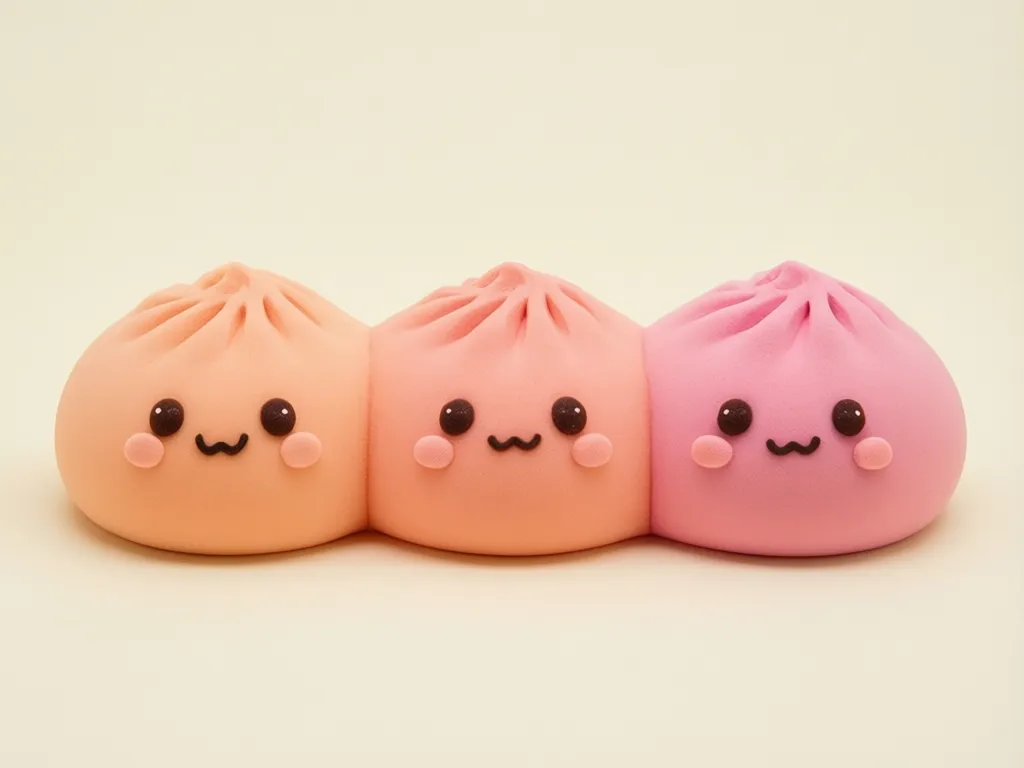
The “slow rise” effect is a combination of air flow and the foam’s viscoelastic behaviour. Viscoelastic simply means the material behaves both like a viscous fluid and an elastic solid. When you press the foam, it deforms quickly because the air inside the open cells is being pushed out. When you let go, the foam wants to return to its original shape, but two things slow it down: the elastic recovery of the polymer walls is not instant, and air must be drawn back into the cells through tiny openings.
The three-step squeeze
Think of a slow-rise squishy like a sponge made of millions of microscopic balloons with small holes. When you squeeze:
- Compression: Your fingers push the cell walls closer together and force air out through the open-cell gaps.
- Hold: The foam stays compressed while your hand is still there, and the polymer walls remain folded or bent.
- Release: As your hand opens, the cell walls begin to straighten, but air has to flow back in through the narrow openings. That return flow takes time, so the squishy rises slowly instead of snapping back.
The result is that tactile, almost dreamy slow rebound that makes squishies like the Rare Rainbow Dumpling Squishy so satisfying to press. The slower the air can return and the more internal friction the polymer has, the longer the rise will take.
Why it doesn’t snap back
A standard elastic foam or rubber ball stores energy when compressed and releases it almost immediately. Slow-rise foam does store some elastic energy, but a good portion of that energy is dissipated as heat through friction between the polymer chains. That dissipation is why a slow-rise dumpling returns gradually rather than bouncing off the table. The exact balance between stored energy and dissipated energy is controlled by foam density, cell openness and the chemical formulation of the polyurethane.
How Density, Shape and Size Affect the Squish Speed

Not all slow-rise foam feels the same. The rebound time you experience depends on several physical factors, not just the material itself. Two squishies made from the same base foam can feel very different if their size or shape changes.
Density: A higher-density foam has more polymer material in the same volume, so the cell walls are thicker and the air passages can be more restricted. That usually produces a slower, firmer recovery. A lower-density foam has larger air pockets and thinner walls, so it may feel softer and squishier but can return slightly faster. For example, a large, firmer Giant Green Dumpling Squishy tends to hold its shape a little longer than a small, light puff because there is more material to recover.
Thickness and shape: Thicker pieces take longer to reinflate because air must travel further through the cell network. A flat, thin squishy will recover more quickly than a plump bao with a rounded belly. The curved, compact shape of a dumpling also means the foam is compressed more evenly, which can make the slow rise feel smoother.
Surface area: The more surface area a squishy has relative to its volume, the more routes air has to re-enter the foam. A puff with little dough folds and many exposed edges may breathe differently from a smooth, sealed-shaped squishy. That is one reason the The Puffs collection often feels lighter and airier, while a compact classic dumpling feels denser and slower in the hand.
Colour and finish: A fine surface skin, glitter coating or printed finish can slightly change how the foam feels on the outside, but it is the internal open-cell structure that really controls the rebound. If you press very slowly, you may even feel the air moving through the foam, especially on bigger pieces.
How to Test a Slow-Rise Squishy at Home
If you want to understand the foam in your own collection, you can run a few simple tests. These are non-destructive and take only a few seconds, but they reveal a lot about density, cell structure and shape.
- The pinch test: Pinch a corner between your thumb and index finger for three seconds, then release. Watch whether the indentation disappears instantly or lingers for a second or more. A true slow-rise foam will hold the pinch mark briefly before recovering.
- The full press: Place the squishy on a flat surface and press down with your palm until it is flattened, then lift your hand. Time how long it takes to return to full height. Most slow-rise squishies take between one and five seconds, depending on size and density.
- The air-flow test: Hold the squishy near your ear and squeeze gently. You may hear a faint sigh as air leaves and re-enters the foam. That sound is a good sign of an open-cell structure.
- The temperature check: Slow-rise foam can feel slightly firmer in a cold room and softer when warm. That is normal because temperature changes how flexible the polymer chains are. It does not mean the foam is faulty.
A glittered or specially finished piece like the Gold Dumpling Squishy – Lucky Charm Edition can be tested the same way. Just avoid pressing with sharp nails or using excessive force, because polyurethane foam can tear if stretched too far.
Caring for Your Slow-Rise Dumpling Squishy
Because slow-rise foam is open-cell, it can absorb moisture and dirt if you are not careful. The best routine is simple: keep your squishy clean, dry and away from direct heat.
Keep it dry: Water can get trapped inside open cells and take a long time to evaporate, which can make the foam feel soggy or encourage odours. If a squishy gets wet, gently squeeze out excess water with a clean towel and let it air dry at room temperature. Do not use a hairdryer or radiator, because heat can distort the foam.
Clean gently: For light dust, a soft, dry cloth or a clean make-up brush works well. If you need a deeper clean, use a slightly damp cloth with a tiny amount of mild soap, then wipe again with a damp cloth and let it dry fully before storing. Avoid soaking the squishy.
Store safely: Keeping squishies in a closed box can trap moisture, so air them occasionally. If you want to protect a special piece, store it in a cool, dry place away from sharp objects and direct sunlight. A Boxes & Sets collection can give you a tidy home for several squishies, but leave the lid open from time to time to let trapped air escape.
FAQ: Slow-Rise Foam Behaviour
Why does my slow-rise squishy feel harder in cold weather?
At lower temperatures, the polyurethane polymer chains become less flexible, so the foam feels firmer and may recover a little faster or more stiffly. Once it warms up in your hands or a normal room, the soft slow rise returns. This is a material property of polyurethane foam, not a fault.
How long should a slow-rise squishy take to return to shape?
Most slow-rise squishies take between one and five seconds to recover fully after a firm squeeze, depending on density, thickness and shape. A giant, dense dumpling will usually rise more slowly than a small, thin puff because there is more foam mass and a longer air path.
Can I wash my slow-rise squishy in water?
It is best not to soak slow-rise foam, because open cells can trap water and dry slowly. Lightly wipe with a damp cloth if needed, then let it air dry completely at room temperature away from heat.
Slow-Rise Foam: A Small Science in Every Squeeze
The next time you press a squishy and watch it rise back lazily, you’ll know exactly what is happening: air leaving and re-entering open polyurethane cells, flexible polymer walls recovering with a little internal friction, and the shape and density of the piece setting the pace. That combination is what makes a slow-rise dumpling feel so different from an ordinary stress ball or sponge. If you’re ready to find your own favourite rebound, explore the Dumpling Squishy collection and feel the difference between puffs, giants, classics and rare editions for yourself.