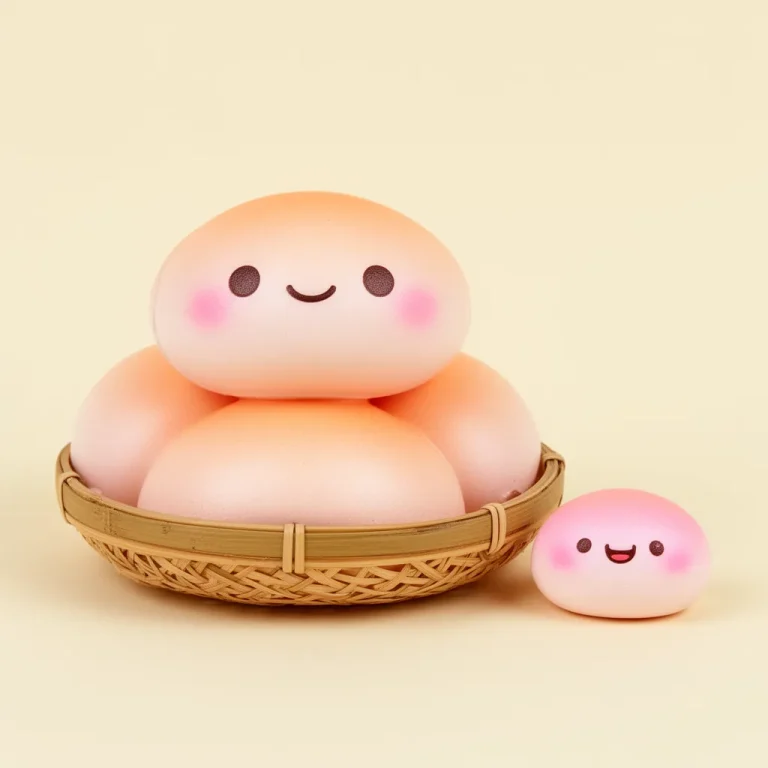
 squishy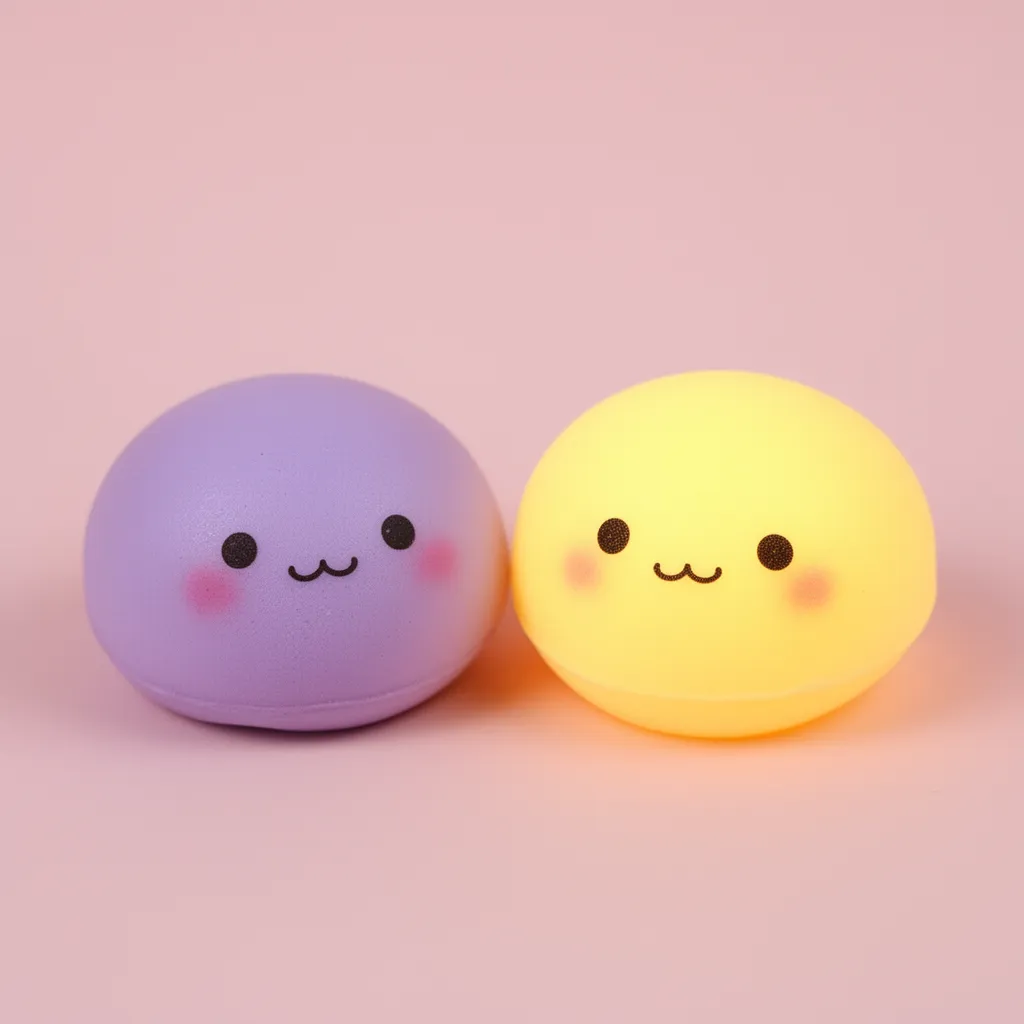
Yes, a squishy night light can be a lovely addition to a child’s bedroom — provided you choose the right model and use it sensibly. It offers a soft, reassuring glow that helps little ones settle without plunging the room into total darkness, and the squeezable, slow-rise texture adds a comforting sensory element. The key is to treat it as a gentle bedtime companion, not a toy for active play, and to place it well out of reach of very young children. In this guide, we’ll look at the real benefits, what to check before buying, and how to introduce one calmly into your child’s nighttime routine.
Why a Squishy Night Light Works at Bedtime
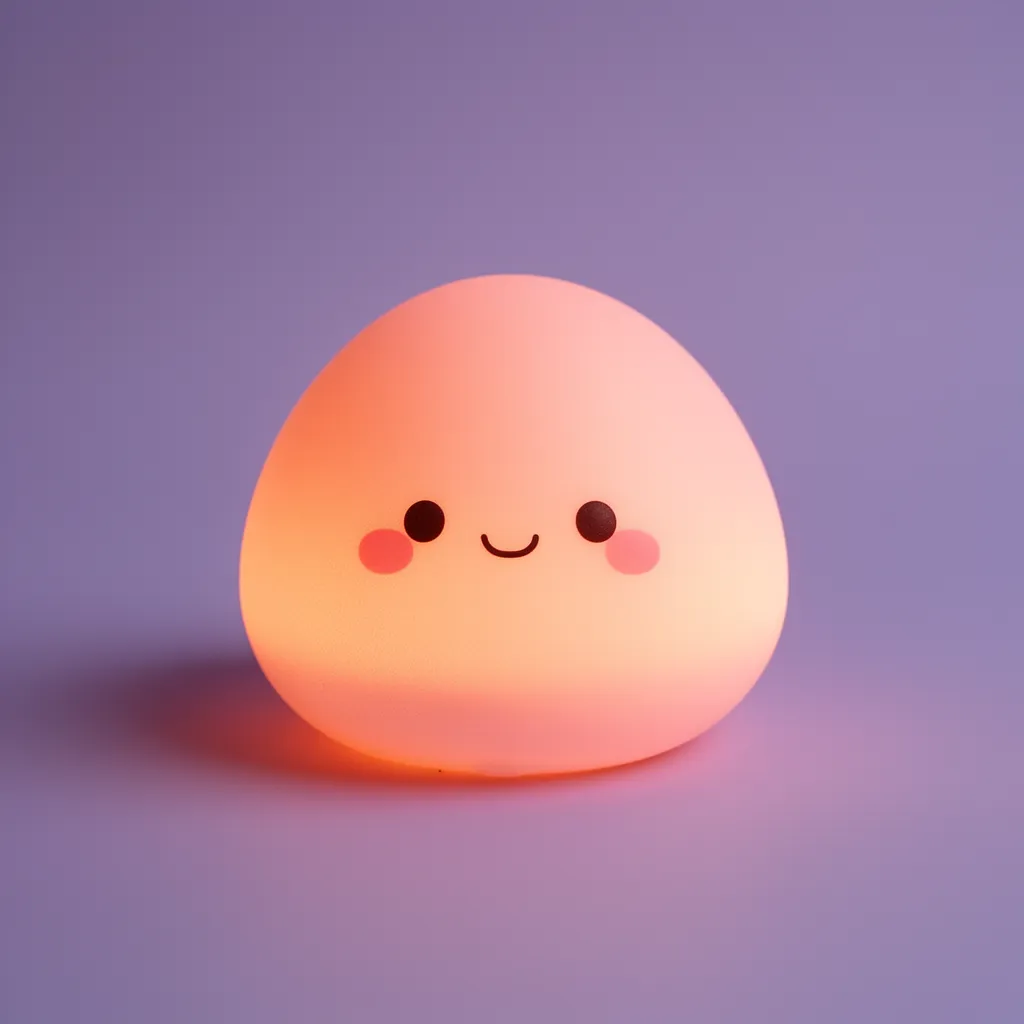
A dim, warm light in the bedroom can make the transition from daytime bustle to nighttime calm much easier. Many children feel safer when they can see the familiar shapes of their room, and a soft glow reduces the “black void” feeling that fuels fear of the dark. Unlike a ceiling light or a bright plug-in lamp, a dumpling squishy night light is designed to be gentle on the eyes and unobtrusive in the corner of a shelf or bedside table.
The squishy element adds another layer. Slow-rise foam is satisfying to press: it gives under the fingers, then gradually returns to its original shape. For a child who needs help winding down, a few gentle squeezes before lights-out can act as a small, calming ritual. It is not a fidget toy for the middle of the night, but it can be a lovely “goodnight squeeze” object during the bedtime story.
Because these lights often come in kawaii food shapes — think smiling dumplings and sleepy baos — they feel more like a friendly character than a piece of electrical equipment. That emotional connection matters. A child who sees their Moonlight White Dumpling Squishy Night Light as a little guardian is more likely to accept the dark corners of the room without fear.
What to Check Before Choosing a Squishy Night Light
Light Source and Brightness
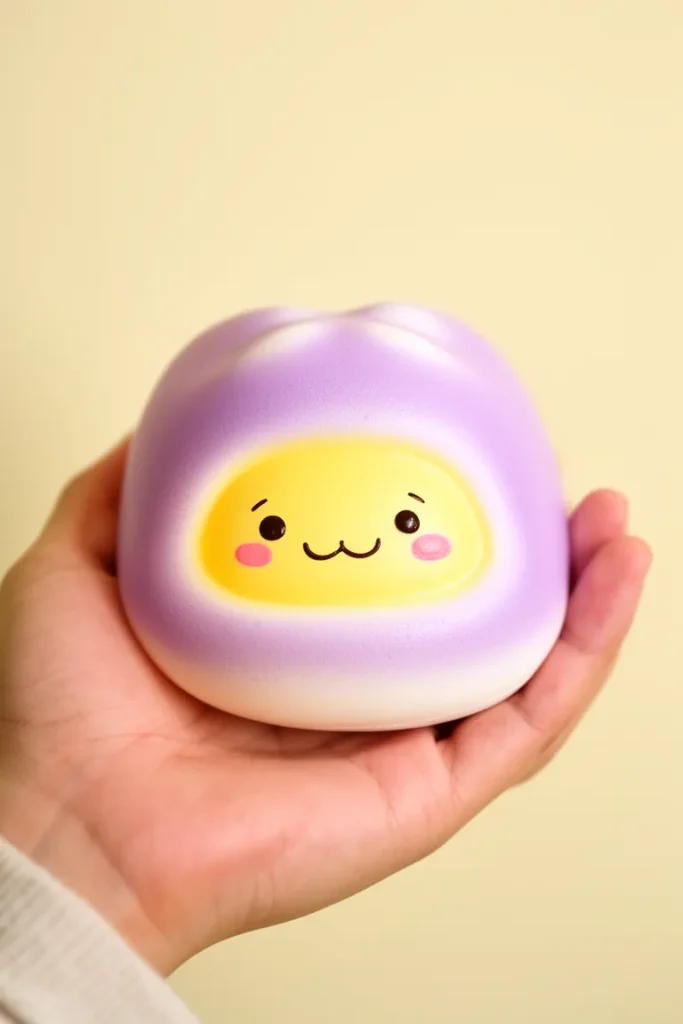
Look for a night light that emits a soft, diffused glow rather than a sharp beam. The goal is to create enough light to reassure, not enough to stimulate. A warm white or gentle pastel tone is usually easier on the eyes than a cool blue or bright white. In practice, you want a light that allows you to see the outline of furniture and the child’s face without casting harsh shadows on the walls.
If the light has adjustable settings, start with the lowest brightness and only increase it if your child asks for more. Many children actually settle better with less light than parents expect. The light should sit below eye level when the child is lying down, so a bedside table or low shelf is usually better than a high dresser directly opposite the bed.
Power and Placement
Check whether the night light is battery-operated, USB-rechargeable, or mains-powered. A rechargeable model means no trailing cable across the floor, which reduces the risk of tripping during nighttime visits to the loo or to your bed. If the light does have a cable, route it along the wall and secure it so it cannot be pulled down by small hands.
Placement matters more than most people think. Keep the light at least an arm’s length from the pillow and bedding. Never place it under a duvet, inside a toy box, or anywhere the light source could be covered. The surface should be stable, flat, and away from the edge of the shelf. A squishy light is soft, but it is still an electrical item and deserves the same respect as any other lamp.
Age and Supervision
For children under three, any item with small parts, batteries, or accessible electronics requires close adult supervision. Under the Toys (Safety) Regulations 2011, toys placed on the market in Great Britain must carry the UKCA or CE marking, and where applicable, an age warning stating “not suitable for children under 36 months”. This warning is not about the night light being “dangerous” — it is about recognising that very young children explore with their mouths and can access small components more easily.
For a toddler’s room, the safest approach is to use the night light as a parent-controlled object: you switch it on, you place it high up, and you remove it in the morning. For a school-age child, you can involve them in the ritual — “you may squeeze it twice, then it’s time to sleep” — but the light should still be positioned out of reach from the bed.
Choosing the Right Squishy Character for Your Child
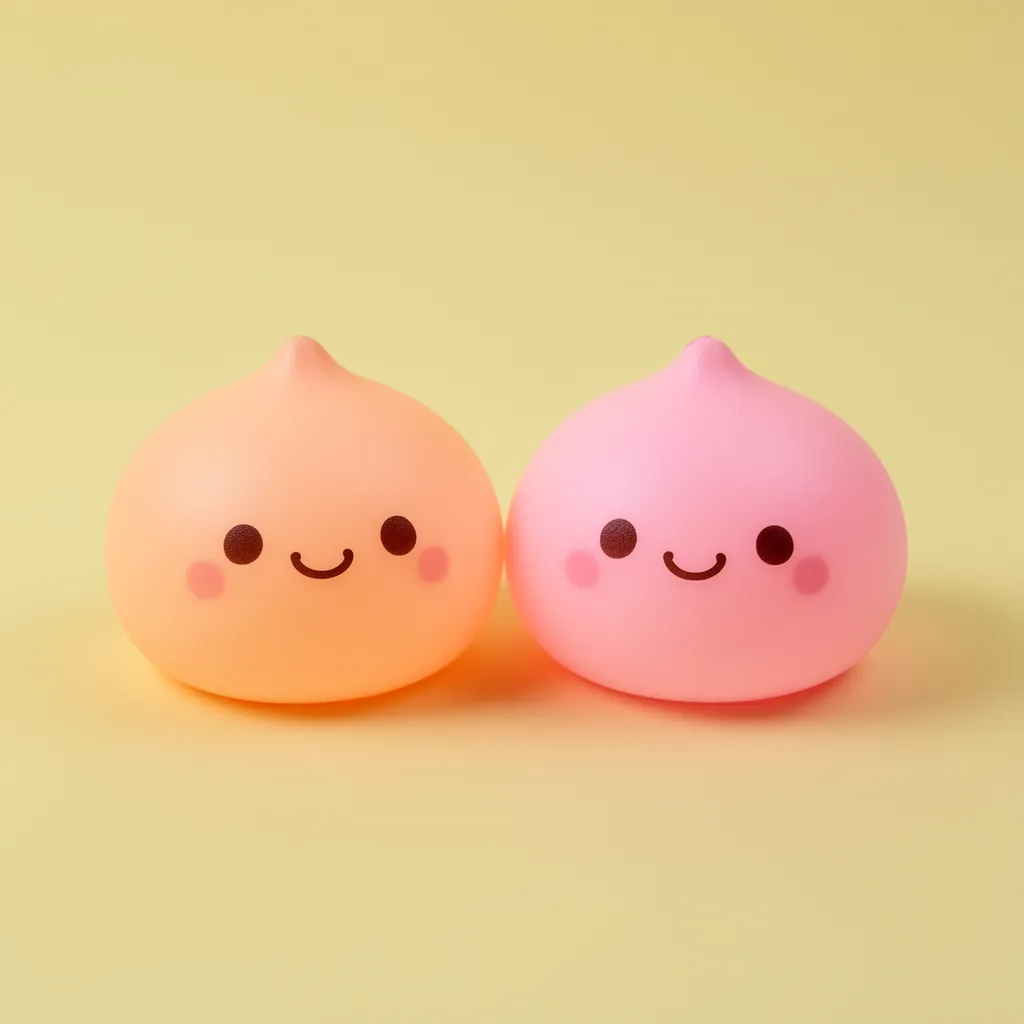
One of the joys of a squishy night light is that it doubles as a piece of bedroom decor. The kawaii dumpling shape is soft, round, and friendly, which makes it easy to integrate into almost any pastel or neutral room scheme. If your child already loves a particular colour or theme, choose a light that echoes it. A child who loves all things sparkly might adore something from the Glitter & Sparkle collection, while a little one who enjoys surprises might prefer a Mystery & Surprises unboxing experience.
Think about size too. A compact light is easier to place on a narrow shelf or windowsill, while a larger squishy can become a more prominent feature of the room. The Giants collection is better suited to older children who understand that these are not pillows or soft toys to be thrown around. For younger children, a smaller, simpler design is usually easier to manage and less likely to be pulled down from a shelf.
If your child is nervous about monsters under the bed, a light with a face can be particularly reassuring. The Boo Ghost Dumpling Squishy turns the idea of a “ghost” into something cute and harmless, while the Big Eyes Dumpling Squishy Mystery Pop has an expressive face that children often anthropomorphise into a protective friend.
Introducing the Night Light Without Creating a New Dependency
The goal is comfort, not a crutch. Introduce the night light as part of the existing bedtime routine, not as a solution to a problem you have not yet discussed. If your child has been sleeping fine without one, there is no need to add one. If they are struggling with the dark, frame the light as a tool: “We are going to make your room feel cosier so you can sleep better.”
Set clear boundaries from the first night. The light goes on before the story, stays in its designated spot, and is not carried around the house. If your child wants to squeeze it, make that part of the wind-down: “Two gentle squeezes, then we tuck it in.” This keeps the squishy aspect from becoming a source of bedtime stalling.
Over time, you can gradually reduce the light’s brightness or move it further from the bed. Some families find that after a few months, the child no longer asks for it at all. Others keep it as a permanent low-level nightlight because it genuinely helps with nighttime trips to the bathroom. Either outcome is fine — the point is that the light serves the child’s sleep, not the other way around.
Practical Safety Habits for Everyday Use
Treat the squishy night light like any other electrical item in a child’s room. Check it regularly for signs of wear: a cracked casing, a loose charging port, or a battery compartment that no longer closes properly are all reasons to stop using it immediately. If the light is rechargeable, use only the cable and plug that came with it, and unplug it once fully charged.
Keep the light away from water. It might look like a cute dumpling, but it is not a bath toy. If it gets splashed, dry it thoroughly before use and check the charging port for moisture. For the same reason, avoid placing it on a windowsill where condensation or rain could reach it through an open window.
Finally, remember that the squishy texture is not an invitation for rough play. Slow-rise foam is designed to be squeezed gently, not twisted, bitten, or thrown. For children who struggle with that boundary, a standard dumpling squishy for daytime play plus a separate night light for bedtime is often a cleaner separation.
Mini FAQ
Can a squishy night light be left on all night?
Yes, if it is designed for continuous use and placed safely away from bedding. However, many parents prefer to switch it off once the child is asleep, or use a timer if the model has one.
Is a squishy night light safe for a toddler’s room?
It can be, but it should be placed well out of reach and switched on by an adult. Always check for the UKCA or CE marking and any age warnings required under the Toys (Safety) Regulations 2011.
What is the best brightness for a child’s night light?
The lowest setting that still lets your child see the room’s layout is usually best. A warm, diffused glow is gentler than a bright white or blue light and is less likely to interfere with sleep.
Conclusion
A squishy night light can be a genuinely lovely addition to a child’s bedroom — soft on the eyes, comforting to hold, and full of kawaii charm. The key is to choose a model with a gentle glow, place it safely out of reach, and introduce it as part of a calm bedtime routine rather than a quick fix for nighttime worries. If you are ready to find the perfect sleepy companion, explore our Night Lights collection and see which little dumpling your child connects with most.