 squishy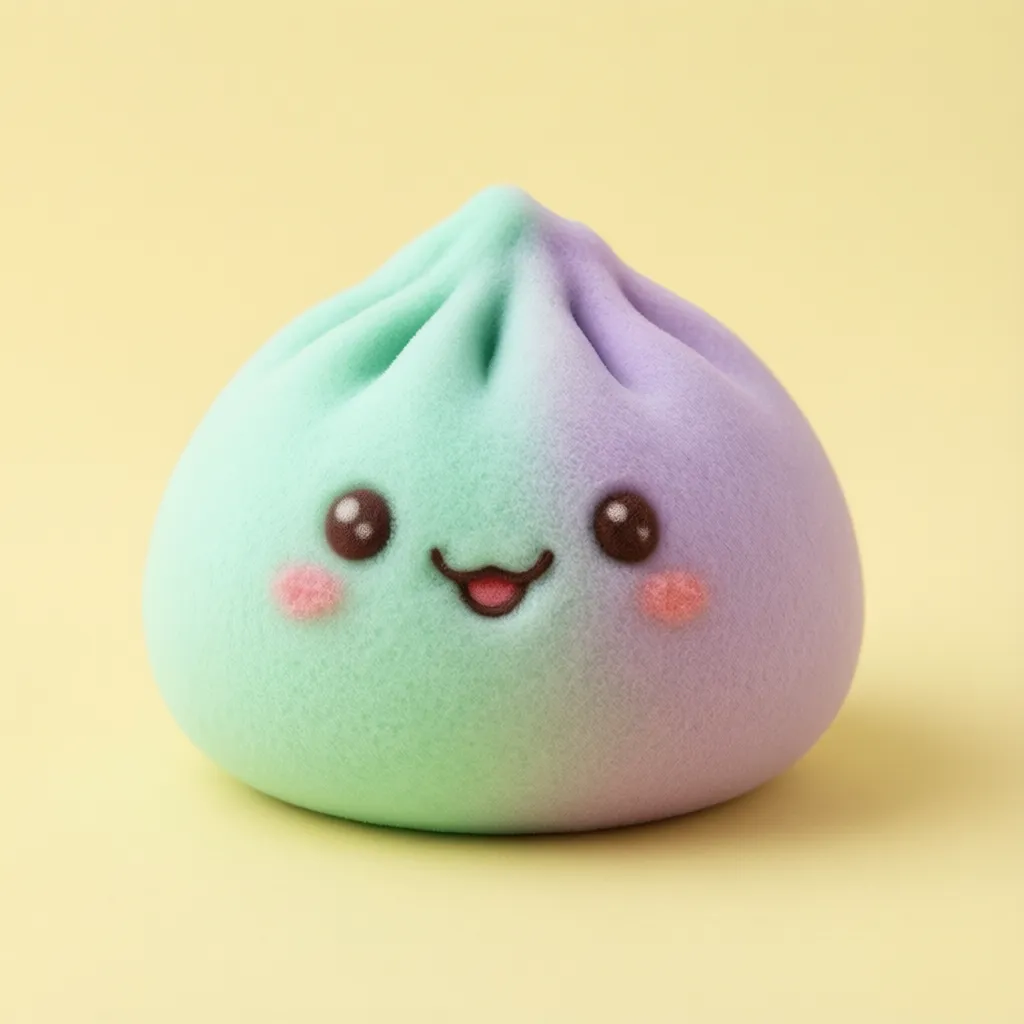
Yes, dumpling squishies are generally safe for children when you choose the right size for the child’s age and supervise younger ones during play. These soft, slow-rise foam toys are designed to be squeezed and squashed, not chewed or torn apart, so the main safety considerations are age-appropriate selection and basic care. In the UK, toys placed on the market must meet specific legal requirements, which gives you a solid framework for making sensible choices. This guide walks you through exactly what to look for, what the rules mean in practice, and how to pick a squishy that suits your child’s stage of development.
What Makes a Dumpling Squishy Different from Other Soft Toys?
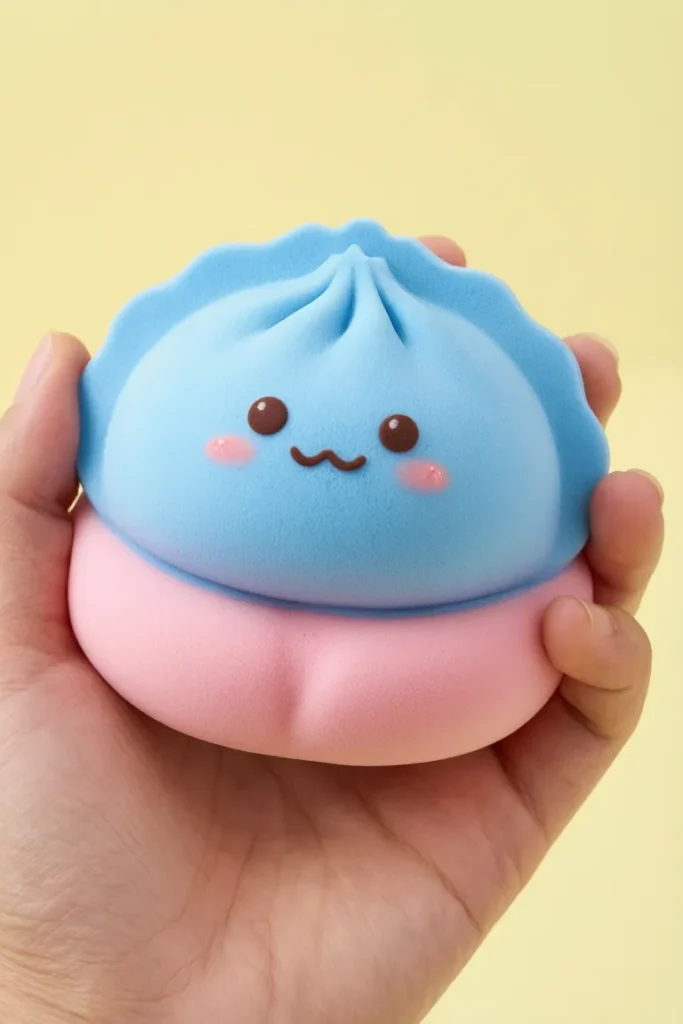
A dumpling squishy is made from slow-rise polyurethane foam, which means when you squeeze it, it slowly springs back to its original shape instead of bouncing back instantly. This is the core sensory appeal: the resistance feels satisfying in the hand, and the gradual return is calming to watch. Unlike a traditional plush toy with stuffing and stitching, a squishy is a single moulded piece, so there are no seams to burst or loose fibres to shed under normal use.
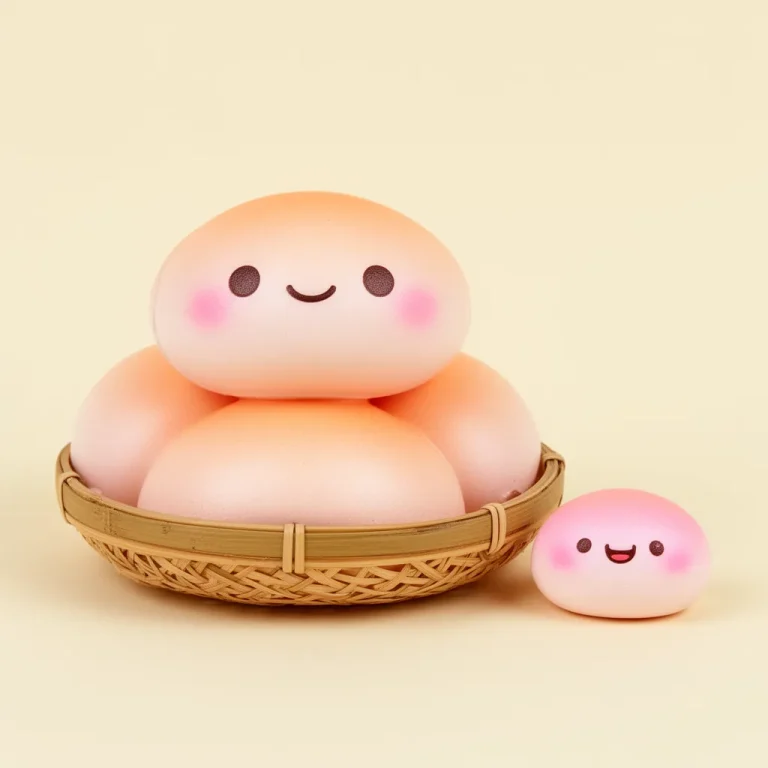
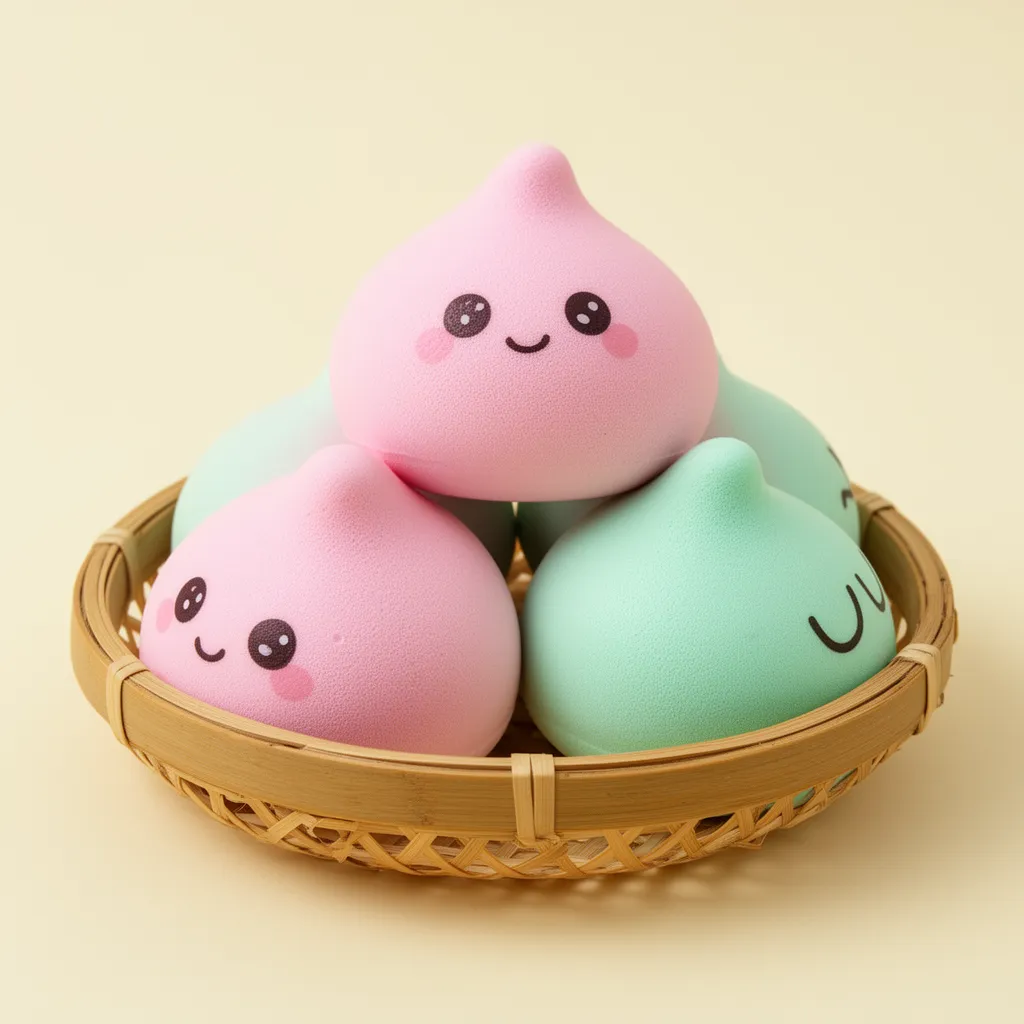
The shape itself matters too. Dumpling squishies are compact, rounded and palm-sized in most collections, which makes them easy for small hands to grip. The classic dumpling squishy collection is a good starting point because the shapes are simple and the foam is uniform. For children who like a bit more visual interest, the glitter and sparkle collection adds a textured, shimmering finish without changing the core foam feel.
Understanding UK Toy Safety Rules for Squishies
In Great Britain, toys supplied to consumers must meet the requirements of the Toys (Safety) Regulations 2011. Under these regulations, toys placed on the market must carry the UKCA or CE marking, and they must satisfy the relevant safety standards. For a foam toy like a squishy, the key standards cover mechanical and physical properties, flammability, and the migration of certain chemical elements from the material.
What does this mean in plain English? It means the toy should not have small parts that detach easily (a choking risk), should not ignite too quickly, and should not release harmful levels of certain chemicals when handled or mouthed. The age warning “not suitable for children under 36 months” must be displayed where applicable, and it is a signal that the product may contain small parts or other features unsuitable for babies and toddlers. When you are browsing squishies, treat that age warning as a hard rule, not a suggestion.
Choosing the Right Squishy by Age: A Practical Guide
Under 3 Years: Best to Avoid Standard Squishies
For children under three, standard dumpling squishies are not the best choice. This age group explores with their mouths, and a squishy is not designed to withstand chewing, biting or tearing. If a piece of foam is bitten off, it becomes a choking hazard. The UK regulations specifically require an age warning where a toy is not suitable for children under 36 months, so if you see that warning on a product, it is there for a reason. Instead, look for toys designed for babies and toddlers that are larger than a child’s mouth and made from materials intended for mouthing.
Ages 3 to 6: Supervised Squishing with Larger Sizes
Between three and six, children are developing fine motor control and can enjoy the sensory feedback of a squishy, but supervision is still important. Choose larger pieces that are harder to swallow and easier to keep track of. The giant dumpling squishy collection is a sensible option here, because the bigger size makes it less likely to be mouthed and easier for a child to hold without tearing. The Giant Dumpling Squishy Cloud White is a good example: it is large, soft, and satisfying to squeeze with both hands.
At this age, set a simple rule: squishies are for hands, not mouths. Check the squishy before and after play for any signs of tearing, especially around the edges or any painted details. If it starts to crack or split, it is time to retire it.
Ages 6 and Up: Independent Play with Clear Guidelines
From around six years old, most children can play with squishies independently, provided the product does not carry a specific age warning that excludes them. This is the age where collecting becomes part of the fun, and a mystery box or surprise set can be genuinely exciting. The Mystery Dumpling Squishy Blind Box – Set of 12 is a popular choice for older children because it turns unboxing into an event, and the pieces are small enough to display but large enough to handle safely.
Even for older children, remind them not to stretch the squishy beyond its natural limit, not to use it as a projectile, and not to leave it in direct sunlight or near heat sources. The foam can degrade if treated roughly, and a damaged squishy is more likely to break into pieces.
What to Check Before You Hand a Squishy to a Child
Before giving any squishy to a child, do a quick three-point check. First, look at the age warning and any safety information on the packaging. If it says not suitable for under 36 months, treat that as a clear boundary. Second, inspect the squishy itself: is the surface intact? Are there any loose pieces, glitter flakes that shed easily, or paint that rubs off on your fingers? Third, consider the child’s play habits. A child who is rough on toys, or who still mouths objects, needs closer supervision and a larger, simpler shape.
For children who enjoy a bit of sparkle, the Silver Glitter Dumpling Squishy has a smooth glitter finish, but as with any decorated squishy, check that the glitter layer is firmly attached before play. If you notice glitter coming off on your hands, it is not suitable for a child who might put fingers in their mouth.
How to Keep a Squishy Safe Over Time
Most squishy damage happens through rough play, extreme temperatures, or prolonged exposure to sunlight. Slow-rise foam can become brittle or sticky if it is left in a hot car or on a sunny windowsill, and once the texture changes, it is more likely to crack. Store squishies in a cool, dry place, ideally in their original box or a small container, and keep them away from sharp objects like pencils or keys in a school bag.
If a squishy becomes dirty, wipe it gently with a slightly damp cloth and leave it to air dry completely. Do not soak it, do not put it in the washing machine, and do not use harsh cleaning products, because the foam can absorb moisture and degrade from the inside. A well-cared-for squishy from the dumpling squishy range should keep its slow-rise feel for a long time, but it is not indestructible, and it is not designed to be a chew toy.
When a Squishy Is Not the Right Choice
There are some situations where a squishy is simply not the right toy. If a child has a strong tendency to bite or tear soft materials, hold off until that habit passes. If a child has known allergies or skin sensitivities, check the product information before purchasing and stop using the squishy if any reaction occurs. And if a squishy ever tears, splits, or loses pieces, take it away immediately — a damaged squishy is not safe for continued play.
For children who enjoy the squishy feel but want something more contained, the night light collection offers a different kind of comfort. The Sunshine Yellow Dumpling Squishy Night Light combines a soft, squishy silicone exterior with a gentle light, making it a useful alternative for bedtime when a standard squishy would just get lost in the bed.
Mini FAQ
Are dumpling squishies safe for babies?
No, standard dumpling squishies are not safe for babies or toddlers under three years old. They are not designed for mouthing, and small pieces of foam could become a choking hazard if bitten off. Look for toys specifically designed for under-36-month-olds instead.
Can a child sleep with a dumpling squishy?
It is better not to let a child sleep with a standard squishy, especially if they are young. The foam can be a suffocation risk if it covers the face, and small pieces could come loose during the night. The night light collection is a safer bedtime alternative because it is designed for the bedside.
How do I know if a squishy is too small for my child?
A good rule of thumb is that a squishy should be too large to fit entirely into the child’s mouth. If you can imagine the whole thing disappearing into their mouth, it is too small for unsupervised play. Choose a larger size or keep playtime supervised.
Choose the Right Squishy for Your Child
Dumpling squishies can be a wonderful, calming addition to a child’s toy collection, but they are not one-size-fits-all. The smart approach is to match the squishy to the child’s age and habits, supervise younger children, and inspect the toy regularly. When you are ready to choose, start with the classic dumpling collection for simple, friendly shapes, or explore the giant collection for younger children who need something bigger and easier to handle. A well-chosen squishy, used with a little common sense, is a lovely way to bring calm, squishy joy to playtime.