 squishy
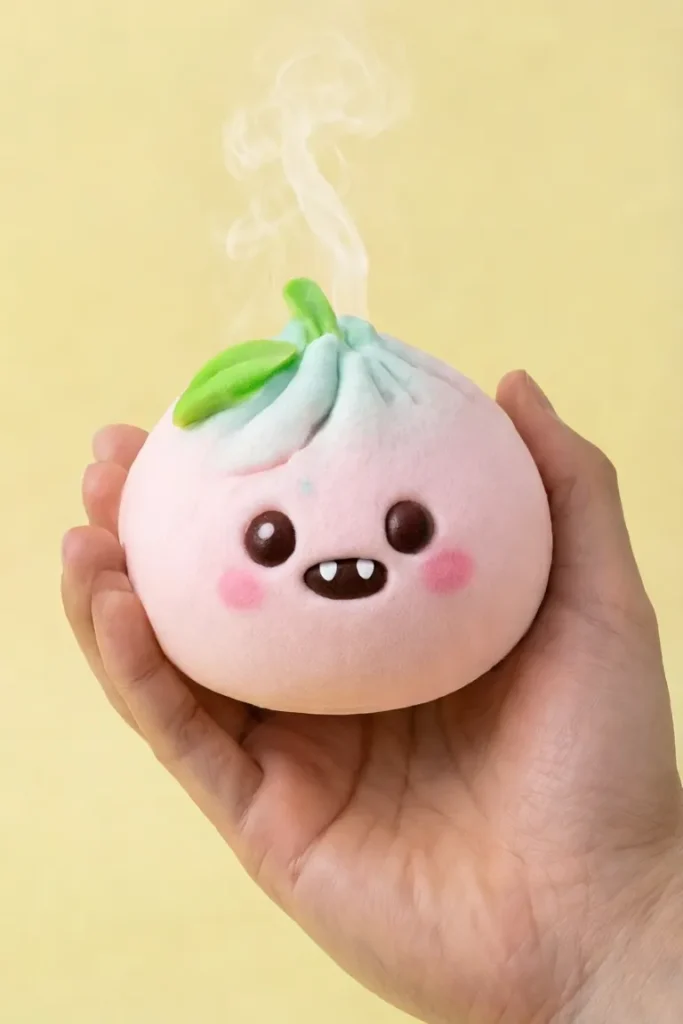
If you need a discreet, repetitive movement to stay focused during a meeting or study session, fidget toys usually win. If your stress shows up as tight shoulders, racing thoughts or the urge to squeeze something soft, a slow-rise squishy is often the better choice. Both can help, but they target different stress responses. The real question is not which one is “best” — it is which one matches the stress your body is actually holding.
What Fidget Toys Do Well (and Where They Fall Short)
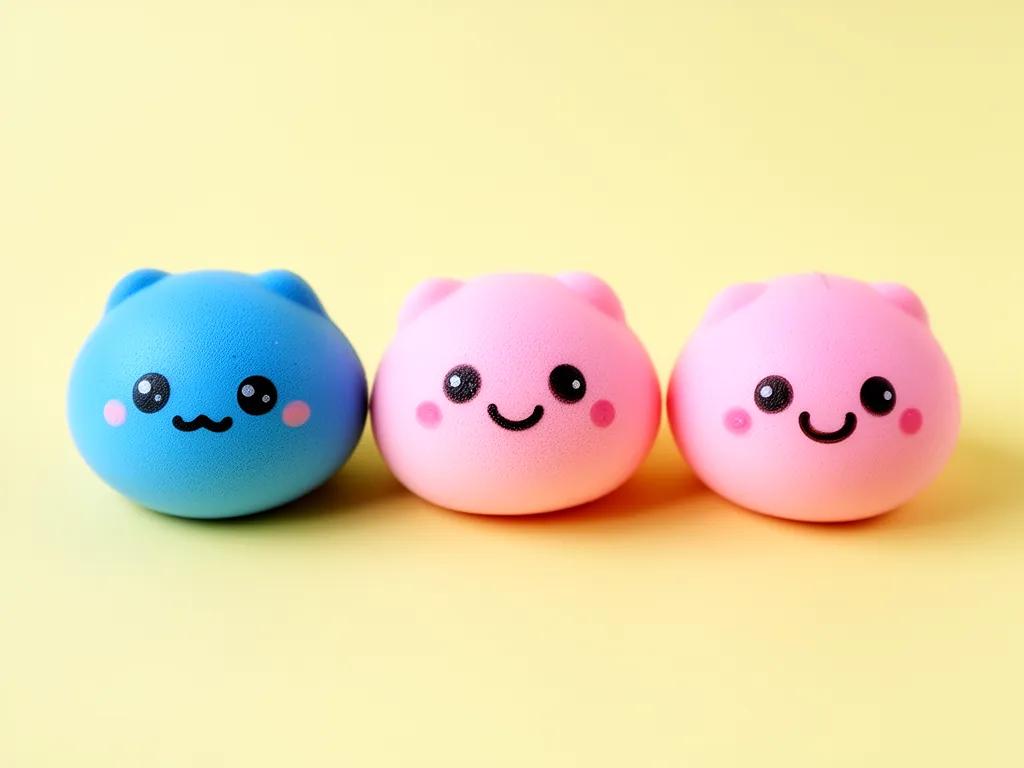
Fidget toys are built for movement. Unlike squishies, their main job is to give your hands something small, repetitive and often mechanical to do — clicking, spinning, rolling, sliding or pressing. For many people, this motor output helps the brain filter out background anxiety and return to a single task. That makes fidget tools particularly useful for desk work, online meetings, lectures and moments when you need to stay externally calm while your mind wants to wander.
The drawback is that fidget toys tend to work through arousal rather than relaxation. If your stress is already high and you feel jittery, a fast clicker can sometimes keep your nervous system in an alert state instead of helping it downshift. That is where squishies take over.
Why Slow-Rise Squishies Are Different
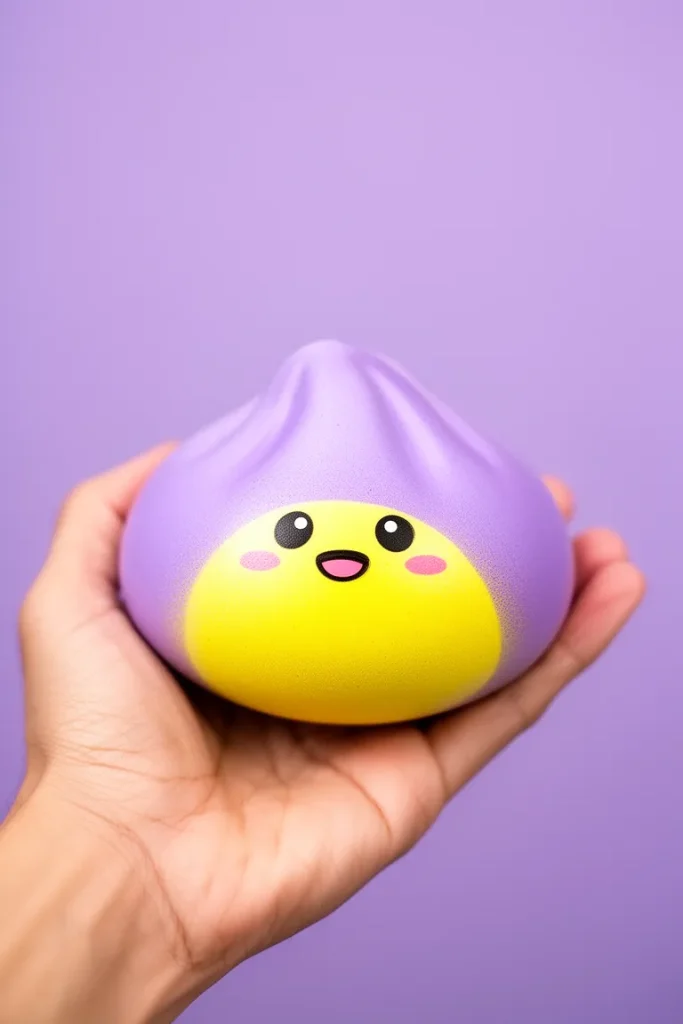
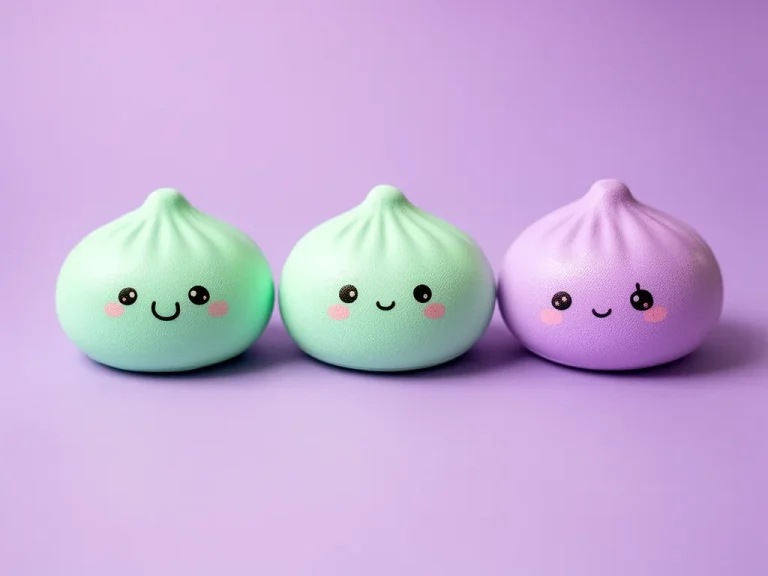
A slow-rise squishy works on a different principle. Instead of giving your fingers a repetitive mechanical task, it gives your palm one deep, slow physical exhale. Our Dumpling Squishy collection is made from premium slow-rise foam, which means when you squeeze it, it does not snap back instantly — it returns to shape gradually, almost like a soft breath. That delayed rebound is the key: it forces the squeeze to be slower and more deliberate, which is useful when your body needs to down-regulate rather than speed up.
The texture also matters. Slow-rise foam is soft, slightly giving and smooth, so it can provide a grounding sensation for people who feel mentally scattered. A single squeeze can act as a full-stop in a spiralling thought. Unlike hard plastic fidget toys, a squishy does not demand fine motor precision or a specific movement pattern; you can squeeze it without looking, which leaves your attention free.
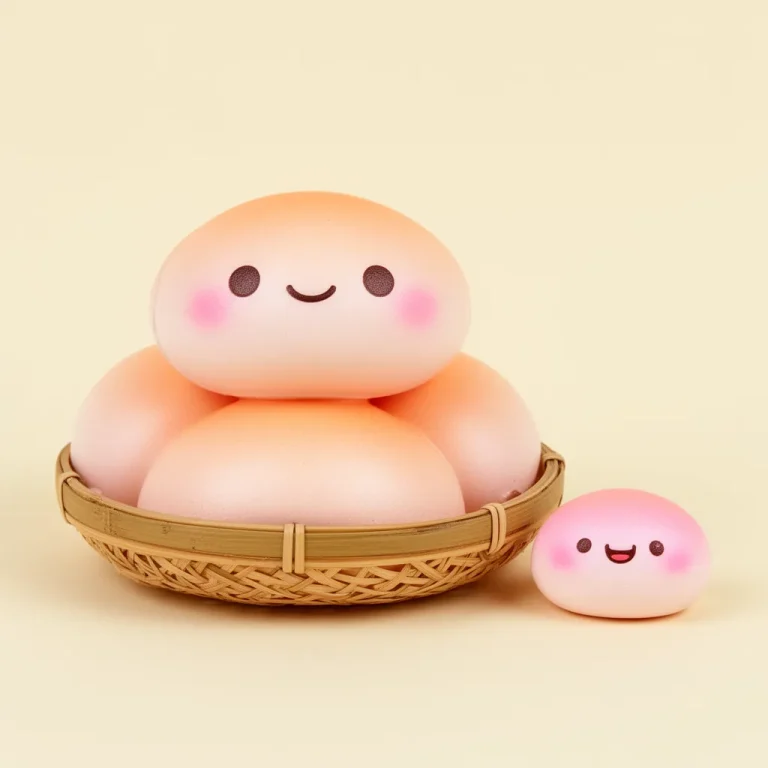
If you want more resistance or a two-hand squeeze, The Giants collection offers a bigger surface area and a deeper press. The beauty of slow-rise foam is that the same material still returns slowly, so a giant squishy becomes a heavier, more immersive reset.
How to Choose Based on Your Stress Type
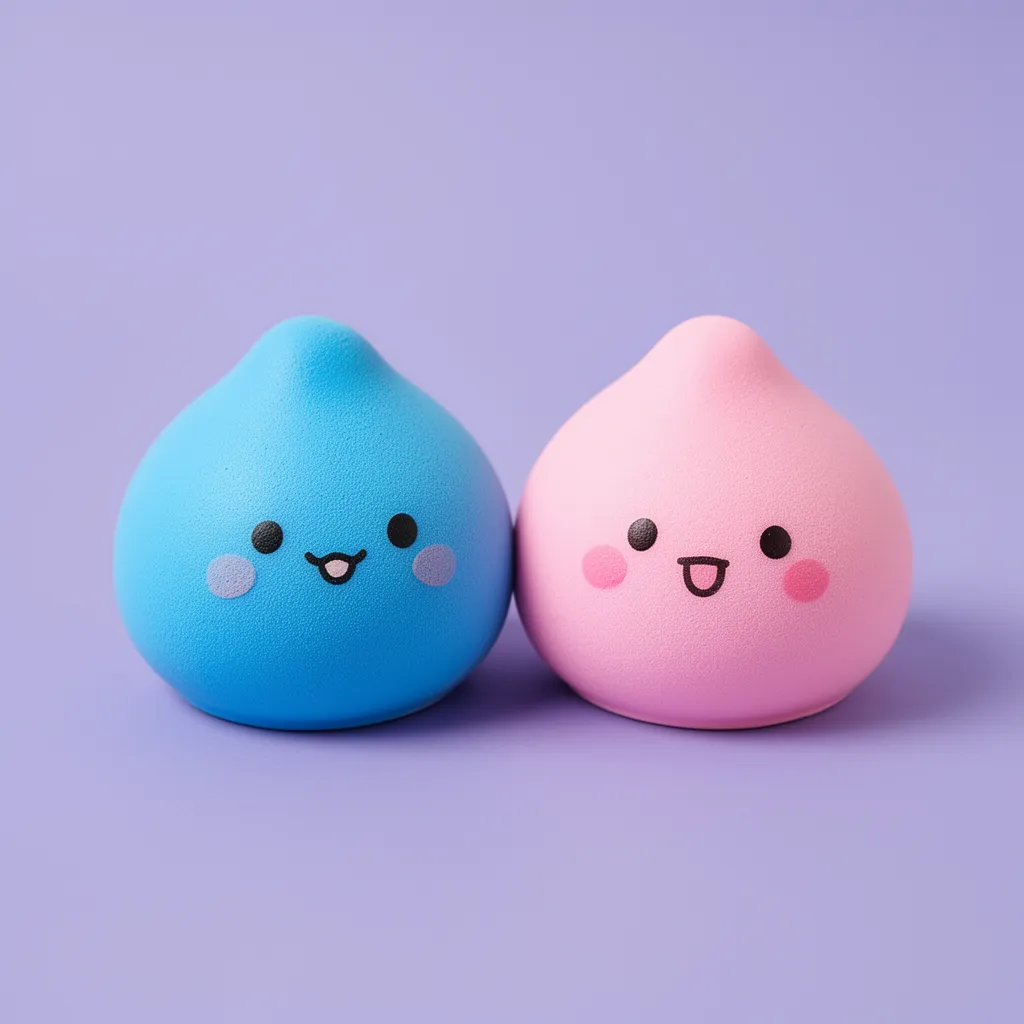
Start by asking what your stress is asking for. If you need to keep your hands busy so your mind can lock onto a task, choose a fidget toy. If you need to release tension and signal to your body that it is safe to slow down, choose a slow-rise squishy. Then match the setting.
Desk stress and focus
At a desk, a small smooth squishy can be more discreet than a noisy fidget cube. A palm-sized option like the White Wink Dumpling Squishy gives you a silent one-hand squeeze between emails, without drawing attention in a shared office. Keep it next to your keyboard and use it as a micro-pause every time you notice your jaw or shoulders tightening.
Emotional overload and visual calm
When stress feels more like a wave than a to-do list, colour and softness can help. A visually soothing squishy like the Pink Galaxy Dumpling Squishy adds a gentle pastel focal point. The simple act of pressing into the foam and watching it slowly rise again can interrupt a looping worried thought.
Pre-sleep winding down
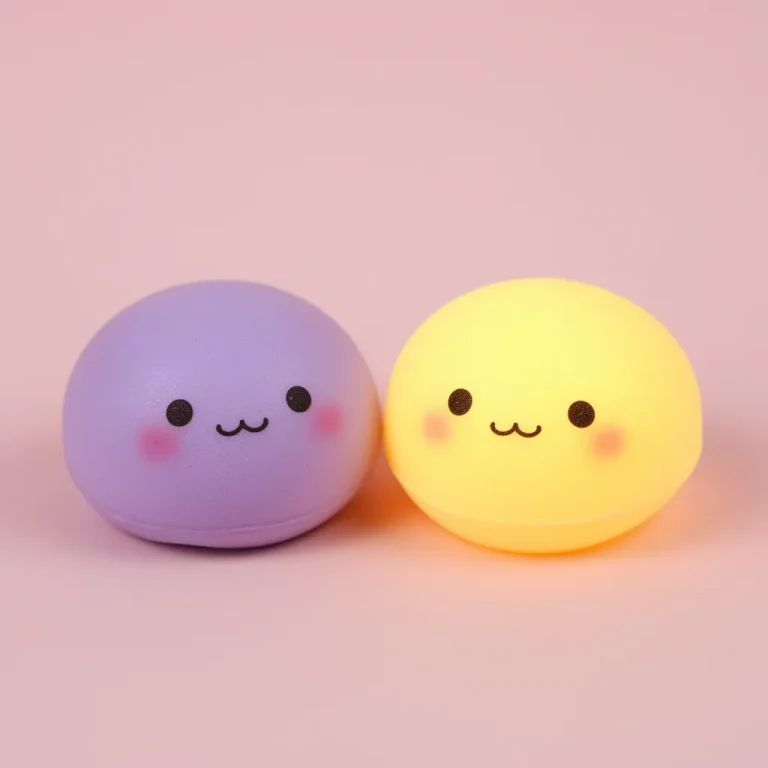
For evening stress, your goal is not to increase alertness. That is usually the wrong time for fast fidget toys. Instead, choose a Dumpling Squishy Night Light or a soft Squishy Plushie. The ritual of squeezing a slow-rise foam for 30 to 60 seconds, followed by dimming the lights and putting the toy down, becomes a simple sensory cue for bedtime.
Travel and waiting rooms
In a train, plane or waiting room, your stress may be situational. A small dumpling squishy fits in a coat pocket and works silently, so you can squeeze it without disturbing anyone. The Classics collection keeps the shape small and familiar, which is exactly what you want when your environment feels unpredictable.
Safety Checklist: What UK Law Requires and Why It Matters
Stress relief should never come with a safety worry. Under the UK Toys (Safety) Regulations 2011, toys placed on the market in Great Britain must carry the UKCA or CE marking. The harmonised EN 71 standards cover mechanical and physical properties (EN 71-1), flammability (EN 71-2) and migration of chemical elements (EN 71-3). Where a toy is not suitable for children under 36 months, the law also requires that age warning to be displayed. When you buy any squishy or fidget toy, look for those markings and warnings rather than relying on packaging claims. This is about what the law requires, not a product-by-product guarantee.
Building a Stress-Relief Kit with Squishies
You do not have to choose just one. A small stress kit can cover both movement and calm: keep a discreet squishy on your desk, a giant one by the sofa, and a soft plush near the bed. For novelty-seekers, the Mystery & Surprises collection adds a small reward element to the routine, which is useful if your stress responds to anticipation and playfulness.
Rotate your squishies by mood. Squeeze a classic dumpling when you feel tense, switch to a glitter design when you need a visual lift, and save a giant press for evenings. Because slow-rise foam is the same across the range, you can build a kit that feels consistent without being dull.
Fidget Toys or Squishies: Quick FAQ
Can I use a squishy for ADHD-style restlessness?
Yes, many people do — a slow-rise squishy gives a quiet, repetitive squeeze that can help redirect physical restlessness without the mechanical clicking of a fidget cube. If you need more movement variety, pair it with a fidget toy that offers sliding or rolling actions.
Are squishies safe for children?
In the UK, toys placed on the market must meet the marking and warning requirements under the Toys (Safety) Regulations 2011. Always check the age warning on the product and supervise young children, especially around small parts or if a squishy becomes damaged.
How long does a slow-rise squishy last?
With normal use, a premium slow-rise foam squishy will keep its slow rebound for a long time, but it can lose elasticity if stretched aggressively, left in direct sunlight or stored under heavy objects. Treat it gently and it should stay satisfying.
Conclusion
The short answer is simple: choose a fidget toy when you need to focus through stress, and choose a slow-rise squishy when you need to feel calmer. If you are in a kawaii mood, there is no rule against keeping both on your desk. Many people start with one palm-sized dumpling and end up with a small squad. Browse the full Squishy Dumpling range today — every order is prepared within 48–72 hours, and free UK delivery kicks in over £50.