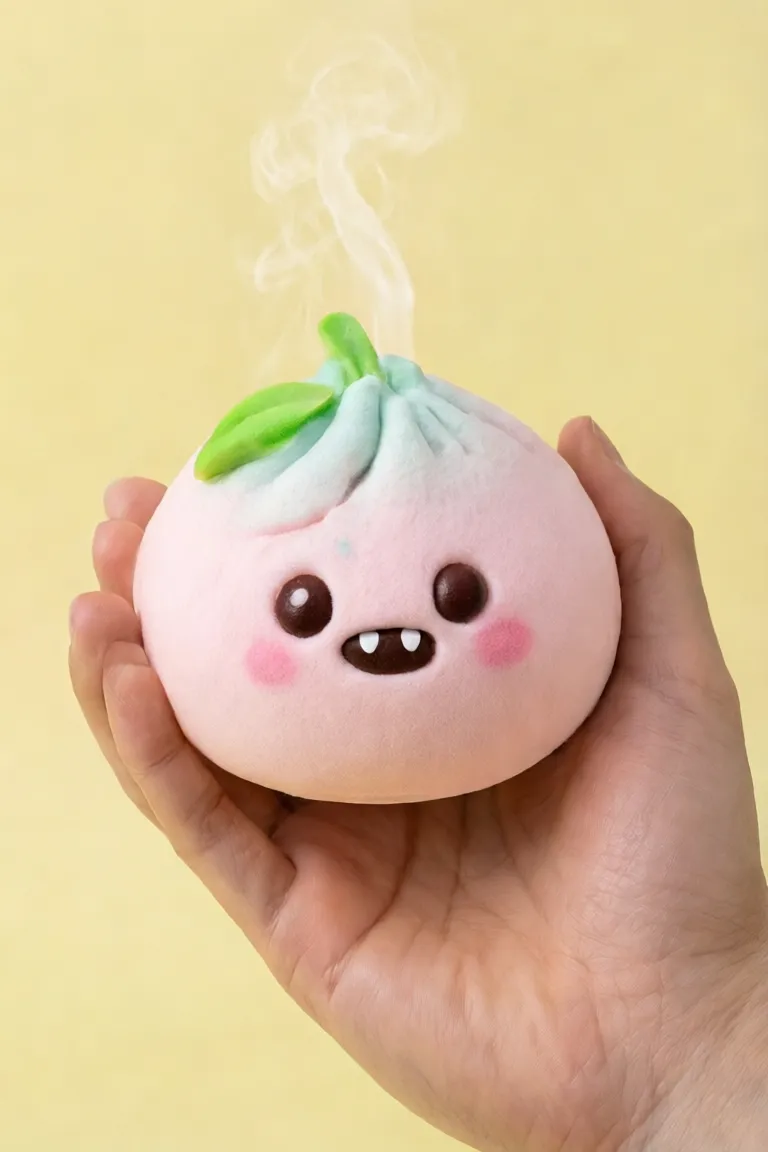
 squishy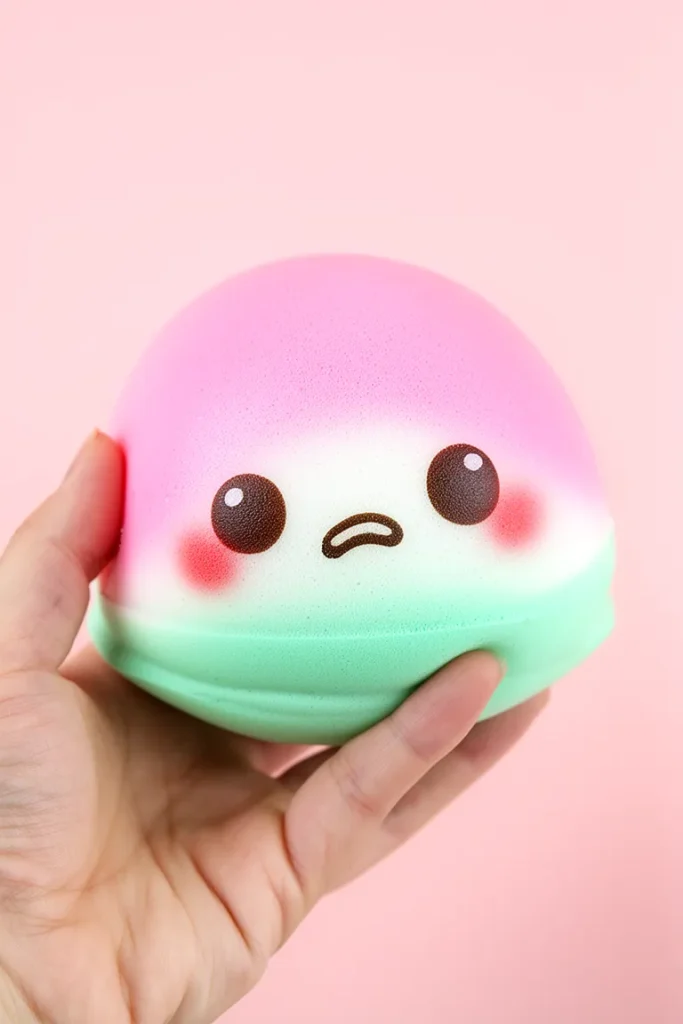
Spotting a genuine slow-rise squishy comes down to four practical checks: the rebound speed, the seam quality, the smell, and the legal markings. A real slow-rise squishy uses premium slow-rise foam that takes several seconds to spring back after you squeeze it, while knock-offs often use cheap foam that snaps back instantly or stays dented. Here’s exactly what to look for, so you never waste money on a disappointing fake.
The Slow-Rise Squeeze Test: Rebound Speed and Memory
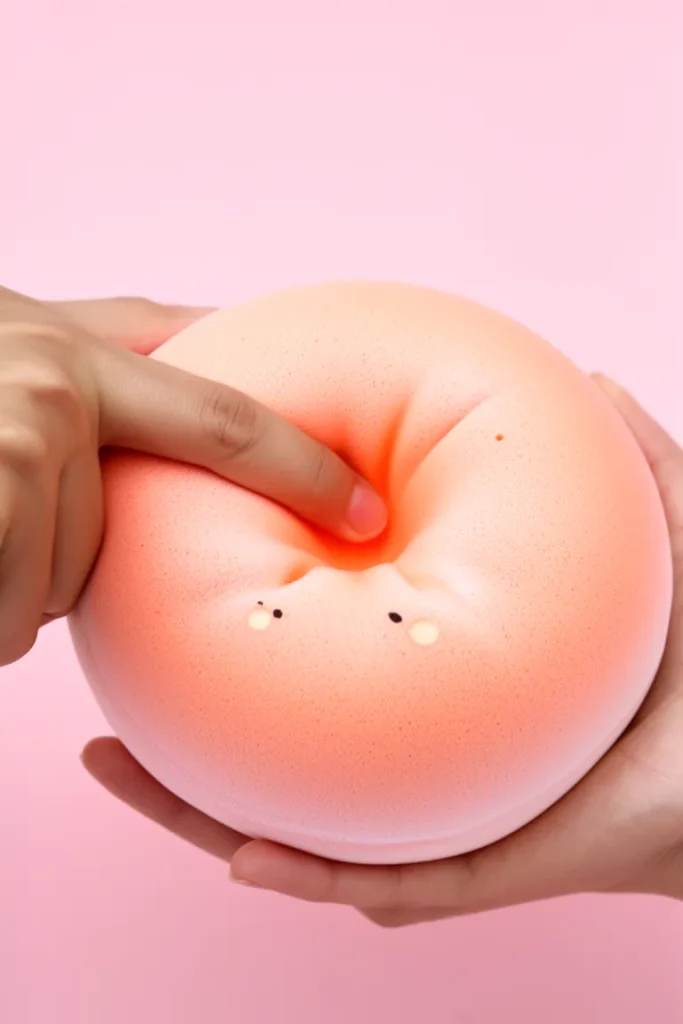
Premium slow-rise foam is a high-density polyurethane with viscoelastic properties. When you press your thumb firmly into a genuine squishy for five seconds and release, the dent should recover gradually over roughly three to five seconds. If the surface bounces back in under a second, you’re holding ordinary sponge-like foam. If it takes more than fifteen seconds or leaves a permanent crease, the foam is too soft and low-grade.
For a more precise test, squeeze the squishy fully in your palm for ten seconds, then place it on a flat surface and time how long it takes to return to its original shape. A genuine slow-rise squishy will recover smoothly and completely, with no permanent deformation. Knock-offs often show a visible crease where you squeezed, even after several minutes. Try this test on any squishy you’re considering. A genuine slow-rise squishy should feel dense but yielding, not hollow or crumbly. Our Dumpling Squishy collection is a good reference point for what that rebound should feel like.
Inspect the Seams and Surface Finish
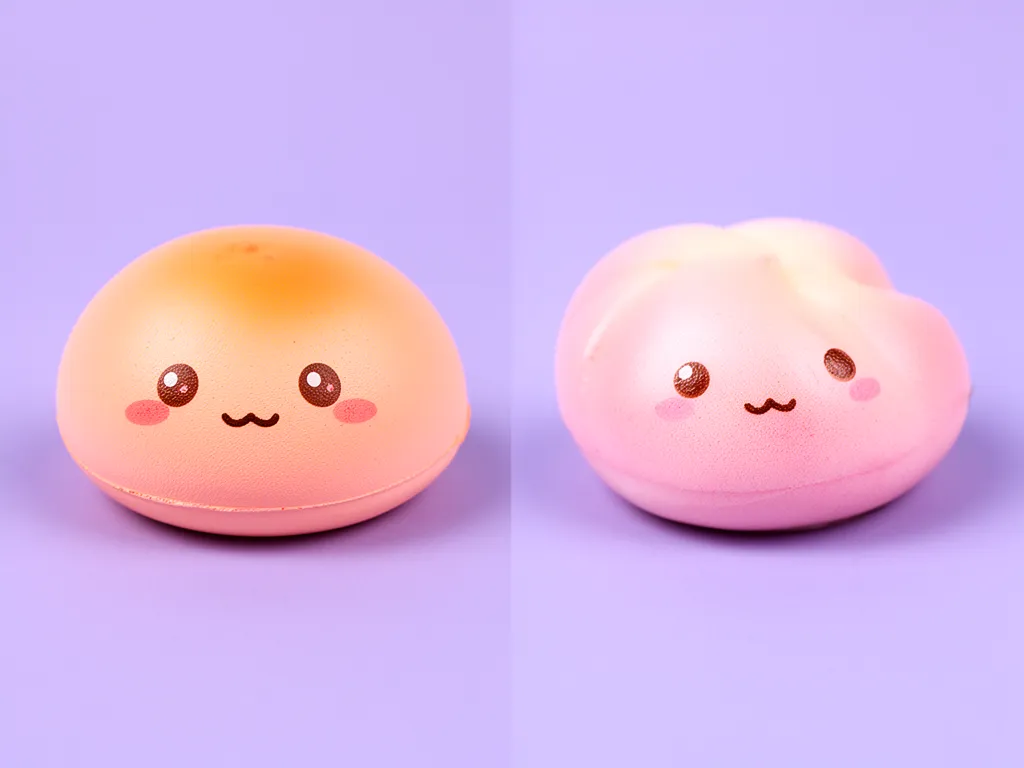
Genuine slow-rise squishies are usually moulded as a single piece or assembled with very tight, clean seams. Run your finger along the edges: you should not feel a raised glue line or see gaps where two halves meet. Knock-offs often have visible adhesive residue, uneven joins, or paint that flakes off after a few squeezes.
Look closely at the surface finish. A quality squishy has a smooth, slightly matte skin that doesn’t crack when compressed. The printed details—eyes, cheeks, patterns—should be crisp and aligned, not smudged or off-centre. For example, the Rainbow Dumpling Squishy Kawaii shows how precise the face printing should be on a genuine piece.
Also check the paint or glitter application. On a genuine glitter squishy, the sparkle is embedded in the foam or sealed under a clear coat, so it doesn’t shed. A knock-off will leave glitter on your hands after one squeeze. The Rare Silver Glitter Dumpling Squishy is a good example of a clean, non-shedding finish.
Here’s a quick checklist for the surface:
- Seams: tight, smooth, no glue lines or gaps.
- Skin: matte, even, no cracks when squeezed.
- Printing: sharp, aligned, no smudges.
- Glitter or paint: sealed, no shedding or flaking.
The Smell and Chemical Check
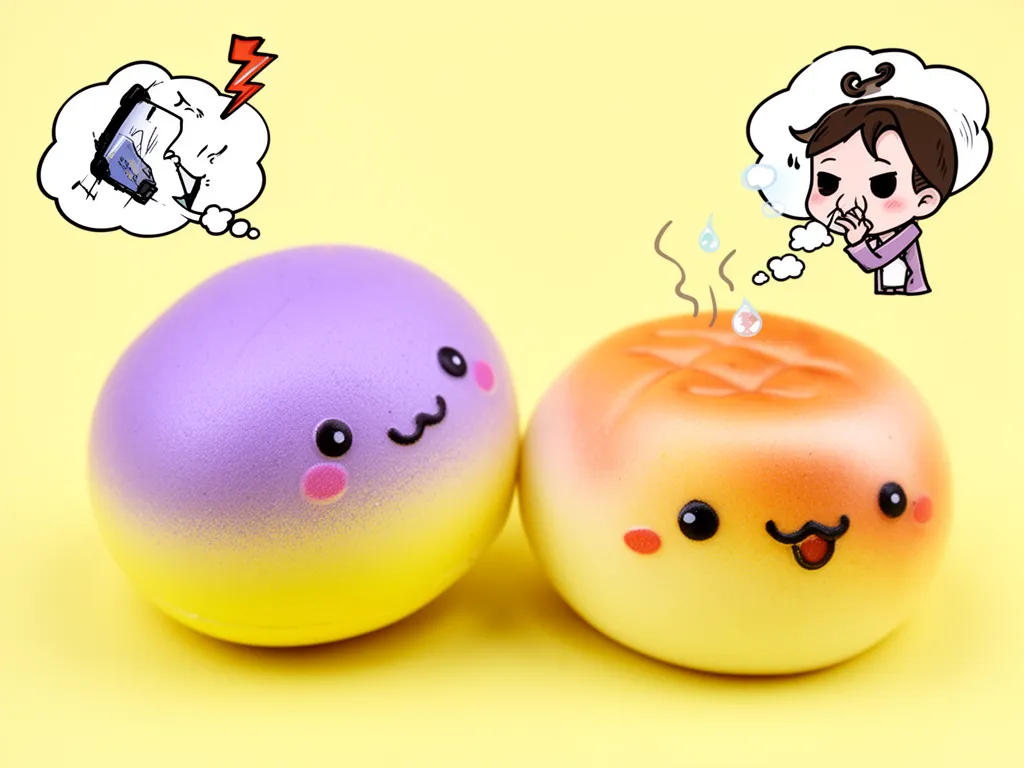
A genuine slow-rise squishy made from quality foam should have little to no chemical smell after a short airing period. When you first open the packaging, a faint, slightly sweet foam odour is normal and fades within a day. A harsh, solvent-like smell that gives you a headache is a red flag for cheap plasticisers and low-grade materials.
Before judging the smell, let the squishy air out for 24 hours in a well-ventilated room. Some genuine squishies pick up a mild odour from their sealed packaging, but that should disappear quickly. If the smell lingers or intensifies, it’s likely a knock-off.
Also pay attention to any oily residue on your fingers after squeezing. Genuine slow-rise foam should feel dry to the touch. If your hands come away greasy, the squishy is likely leaching plasticiser—a sign of a knock-off.
While we cannot comment on specific product compliance, it’s worth knowing that under the Toys (Safety) Regulations 2011, toys placed on the market in Great Britain must carry the UKCA or CE marking, and the harmonised EN 71 standards cover mechanical and physical properties, flammability, and migration of chemical elements. This means a legally sold squishy should have been assessed for these risks. Always check for the marking on the packaging or label.
If you love a bit of sparkle but want to avoid the shedding issue, browse our Glitter & Sparkle collection for pieces that keep their shine where it belongs.
Markings, Labels, and Legal Requirements
Turn the squishy over and look for the legal markings. Under the Toys (Safety) Regulations 2011, a compliant toy must display the UKCA or CE mark, the manufacturer’s name and address, and—where applicable—the warning “not suitable for children under 36 months”. These details are usually printed on a sewn-in tag or the bottom of the squishy.
A genuine product will have a traceable importer or manufacturer. A knock-off often has no markings at all, a misspelled brand name, or a generic “Made in China” with no other identifying information. If the squishy comes in unbranded plastic with no label, treat it with suspicion.
Here’s what to look for on the label or tag:
- UKCA or CE mark: indicates the toy has been assessed under UK or EU safety rules.
- Manufacturer’s name and address: a traceable source, not just a vague “Made in China”.
- Age warning: “not suitable for children under 36 months” where applicable.
For example, a product like the Pink Dumpling Squishy Night Light includes the necessary labelling as part of its packaging, so you know exactly what you’re getting. The same applies to larger pieces like the Giant Dumpling Squishy Toy XXL.
Where You Buy Matters: Trusted Sources and Red Flags
Even the best inspection can’t protect you from a seller who misrepresents their stock. Buying from a reputable UK shop like Squishy Dumpling means you’re getting premium slow-rise foam, not a random marketplace listing. We prepare orders within 48-72 hours and offer 30-day returns, so you can test the squishy at home and send it back if it doesn’t pass the checks above.
Watch out for these red flags:
- Prices that seem too good to be true: genuine slow-rise foam costs more to produce.
- Blurry or stock product photos: you can’t see the actual seams or surface.
- No physical address or returns policy: a sign the seller doesn’t stand behind the product.
- Sellers who can’t tell you the foam type: if they don’t know, it’s probably not genuine slow-rise.
If you enjoy the thrill of not knowing exactly which squishy you’ll get, our Mystery & Surprises collection is a fun way to try genuine pieces without the guesswork. Or go big with The Giants for a squishy that makes the rebound test even more satisfying.
Frequently Asked Questions
How long should a genuine slow-rise squishy take to rebound?
Typically three to five seconds after a firm squeeze. If it snaps back instantly or stays dented for over fifteen seconds, it’s likely not genuine slow-rise foam.
Do all genuine squishies have a strong smell?
No. A quality slow-rise squishy should have only a faint, non-irritating foam smell that fades quickly. A harsh chemical odour is a sign of cheap materials.
Can I return a squishy if I think it’s a knock-off?
At Squishy Dumpling, we offer 30-day returns, so you can inspect and test your squishy at home. If it doesn’t meet your expectations, you can return it within that window.
Spotting a genuine slow-rise squishy isn’t about luck—it’s about knowing what to look for. Test the rebound speed, inspect the seams and surface, trust your nose, and always check the legal markings. If a squishy passes all four checks, you’ve found the real deal. Browse our full The Classics collection to find a genuine slow-rise squishy that passes every test, and enjoy that satisfying slow squeeze.