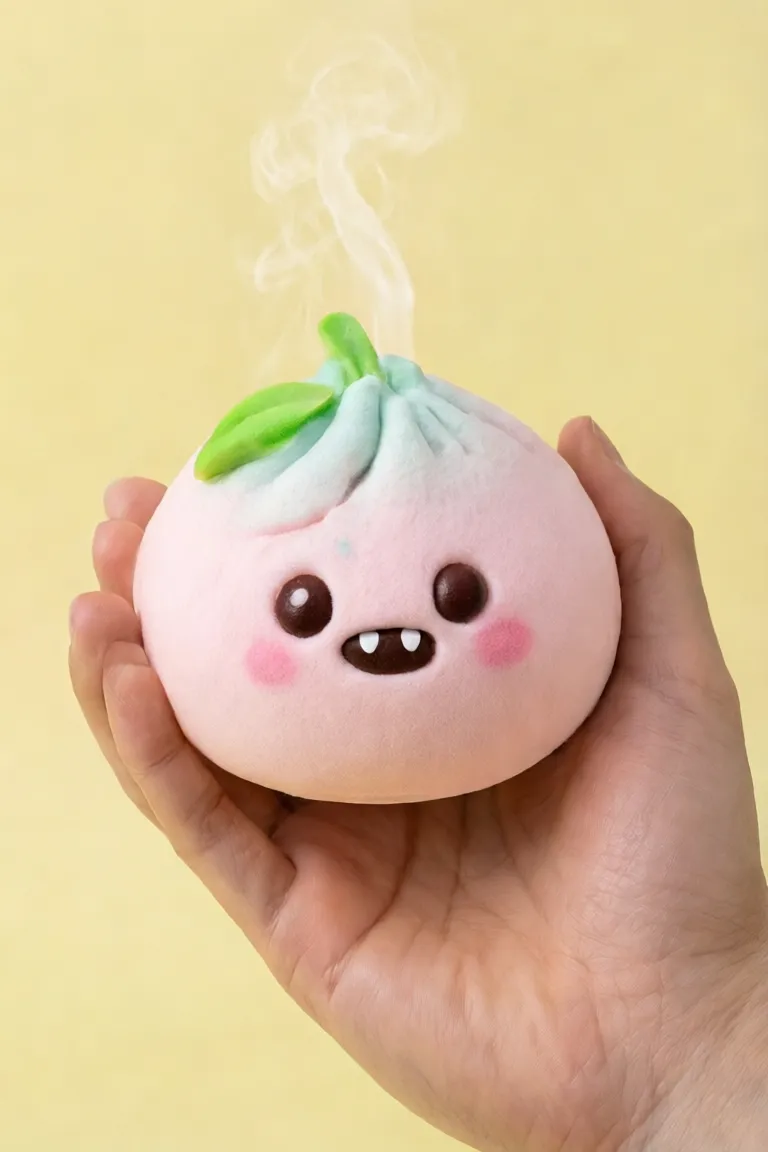
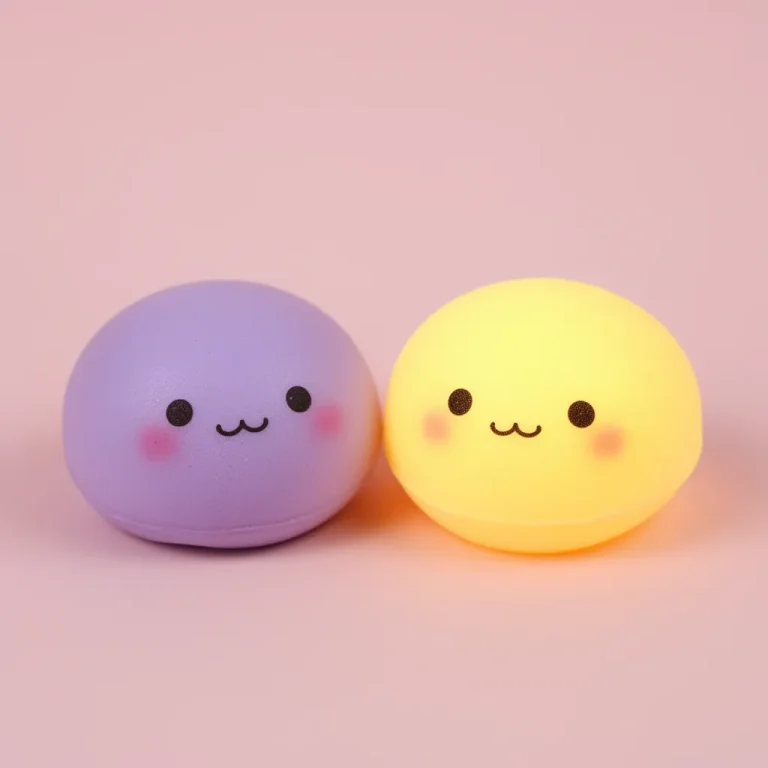
 squishy
Yes, a squishy can become dangerous, but not every squishy, and not out of nowhere. Over the past few weeks, reports of children burned by burst squishy toys have been piling up: a teenager in Alabama suffered third-degree burns after microwaving a gel stress ball he had seen in a viral TikTok trend (Fox News), a seven-year-old girl ended up in a medically induced coma after the same trend, a 13-year-old was burned when a squishy left in a hot car burst on her leg (Fox 19), and paediatric burn specialists in Boston have issued a formal warning (Boston 25 News). In early August, an eight-year-old boy in northern France was severely burned in the face when a gel-filled anti-stress ball burst, reportedly without any microwave involved. So should parents worry? The short answer: the documented risk sits almost entirely with toys built as a soft shell filled with gel or liquid, with unmarked cheap copies, and with any squishy that has been exposed to heat or is damaged. Here are the verified facts, the real differences between squishy constructions, and the rules that actually protect.
What exactly has been happening?
Two scenarios come up again and again. The first is heat: a squishy left in a hot car, on a radiator, or warmed up on purpose. A viral trend encourages kids to microwave gel squishies to make them softer, and even a few seconds can heat the gel inside to scalding temperatures. If the shell then ruptures, hot gel sprays out and sticks to the skin, which is why these burns run deep. The second scenario is failure of the shell itself, through wear, over-squeezing or a defect: the French case is being investigated precisely because the family says the toy was never microwaved. What almost all the incidents share is the same mechanism: hot or pressurised gel escaping from a burst shell.
“Squishy” covers three very different constructions
In everyday language, almost any soft squeezable toy gets called a squishy. From a safety point of view, these are three different families:
- Solid slow-rise foam. A single moulded block of foam (typically polyurethane): you squeeze it, it slowly springs back. No shell, no liquid pocket, so there is nothing to spray. This is the classic squishy.
- Solid TPR gel. A translucent elastic material moulded as one solid piece, common on glitter models: the glitter is embedded in the mass, not floating in a liquid. Again, nothing under pressure.
- The filled shell. A soft membrane containing flowing gel, liquid or beads. This is the only construction that can burst if the membrane gives way (excessive squeezing, wear, heat) and project its contents. The toys in the recent incident reports belong to this family.
The word “gel” is what creates the confusion: solid moulded gel (a full material) and a pocket of liquid gel inside a membrane are radically different objects. The first tears at worst; only the second can burst and spray.
The 6 rules that actually protect
- No heat, ever. No microwave, no radiator, no hot water, no car parked in the sun. The social media “challenges” that involve warming a squishy to soften it are exactly the scenario behind this year’s most severe burns.
- Respect the age label. The regulatory warning “Not suitable for children under 36 months” is not a formality: it flags small parts and materials unsuitable for toddlers, who put everything in their mouths.
- Inspect regularly, bin at the first doubt. A crack, a hole, a sticky surface, an unusual smell, a shape that no longer springs back: the toy is done. This matters even more for filled-shell models.
- Look for the UKCA or CE marking and a named responsible business. Toys sold in the UK must comply with the Toys (Safety) Regulations 2011 and carry the UKCA or CE marking, plus the name and address of a manufacturer or importer you can actually reach. No markings, no accountability.
- Be wary of copies sold for pennies. Press coverage around these incidents keeps pointing at knock-offs sold for a few pounds, often with no packaging, no marking and no traceability. The rock-bottom price is paid in unknowns about the material.
- Buy from a reachable seller. A shop with full legal details, a customer service that answers and a real returns policy can inform you and act if a recall happens. An anonymous marketplace seller cannot.
And if a burn does happen: cool the area immediately under cool running water for 15 to 20 minutes, do not burst blisters or apply creams, and call 999 or go to A&E if the burn is large, deep or on the face. These first-aid basics never replace medical advice.
What the law already requires
Toys sold in the UK fall under the Toys (Safety) Regulations 2011, enforced by the Office for Product Safety and Standards, and rely on the same EN 71 series of standards used across Europe: mechanical and physical properties (EN 71-1), flammability (EN 71-2), limits on chemical migration (EN 71-3). The UKCA marking, or the CE marking which remains recognised for toys sold in Great Britain, documents the manufacturer’s commitment to those requirements. Unsafe products are withdrawn and published on the government’s product safety alerts, reports and recalls page, which is also where you can report a dangerous toy. Two free reflexes, before or after buying: search the product on the recalls page, and keep the packaging, since it carries the details of the responsible business.
And at Squishy Dumpling?
We do not manufacture the squishies we sell: we select them, and our job is transparency. Every product page states the model’s material (slow-rise foam or solid TPR gel depending on the range), the recommended age and the real dimensions. None of our products is designed to be heated, and we advise against heating any squishy, whatever the toy and whatever the shop. If a model sold here were ever subject to an official recall, it would be removed immediately and affected customers contacted. A question about a specific model? Our team answers, and the FAQ covers use and care. To go further, our guide to UKCA and CE marks on squishies details what to check before any purchase, and our page on where to buy a genuine squishy dumpling in the UK explains how to spot a serious seller.
Can a squishy toy really explode?
A squishy made of solid foam or solid gel cannot “explode”: at worst, it tears. The burst-and-spray risk concerns toys built as a soft shell filled with flowing gel or liquid, especially when they are damaged, over-squeezed or exposed to heat. That construction is the one behind the recent incident reports.
Should I throw away my child’s squishies?
No. The point is to identify what you actually have. A solid toy (foam or solid gel) in good condition, properly marked, bought from an identifiable seller, does not carry the risk profile of these accidents. A damaged liquid-filled ball, an unmarked copy, or any squishy that has been exposed to heat should be binned without hesitation.
Is microwaving a squishy dangerous?
Yes, it is probably the single most dangerous thing you can do with these toys. The material is not made for heat: it can melt, release irritating compounds, and a gel-filled model can reach temperatures capable of causing deep burns. The most serious cases this year, including a child placed in a medically induced coma, trace back to exactly this trend. No squishy, whatever its construction, should go anywhere near a heat source.
How can I tell if a squishy is safe to buy in the UK?
Three checks in under two minutes: the UKCA or CE marking and the age warning on the packaging, the name and address of a manufacturer or importer you can reach, and a quick search on the government’s product recalls page. If any of the three fails, walk away: the Toys (Safety) Regulations 2011 apply to every toy sold in the UK, including the cheapest.
Published 8 August 2026. We will update this page if investigators or authorities publish new findings.