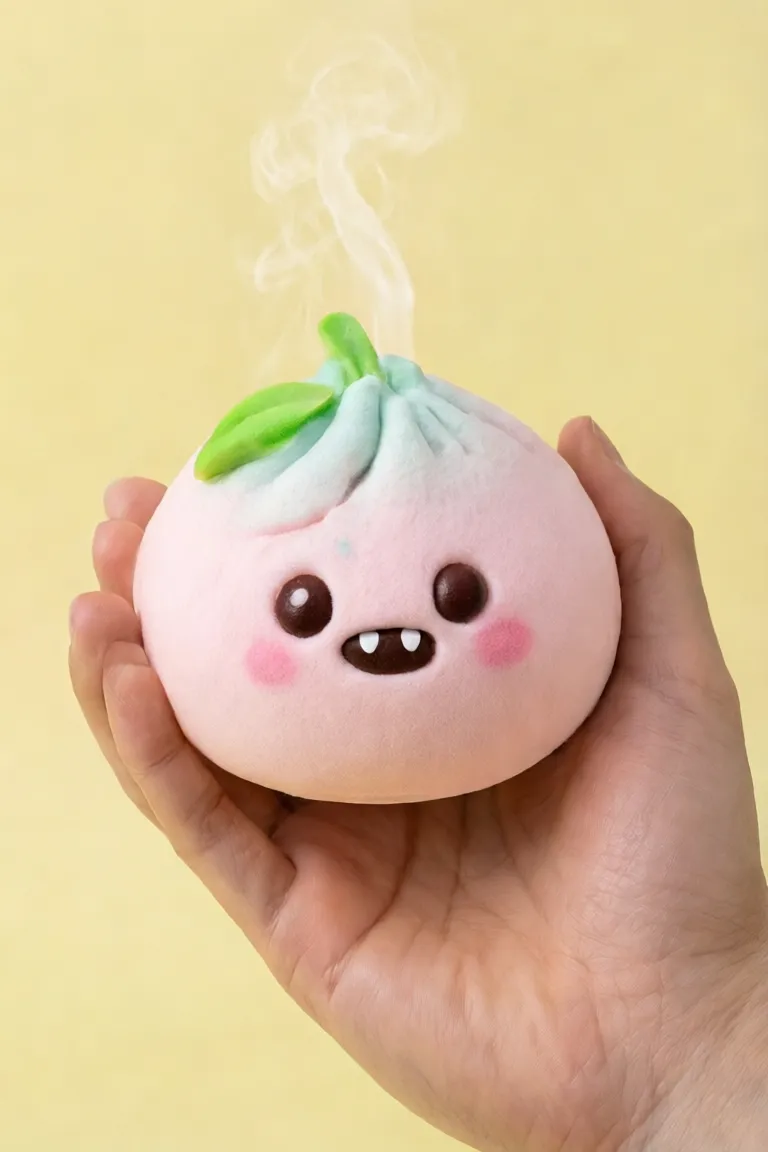
 squishy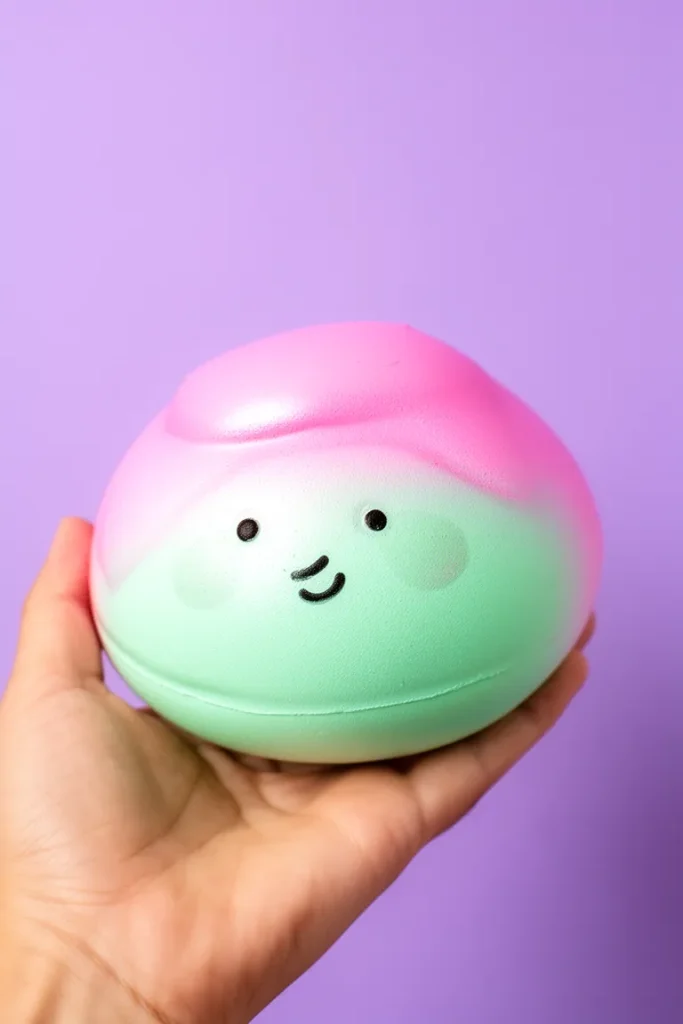
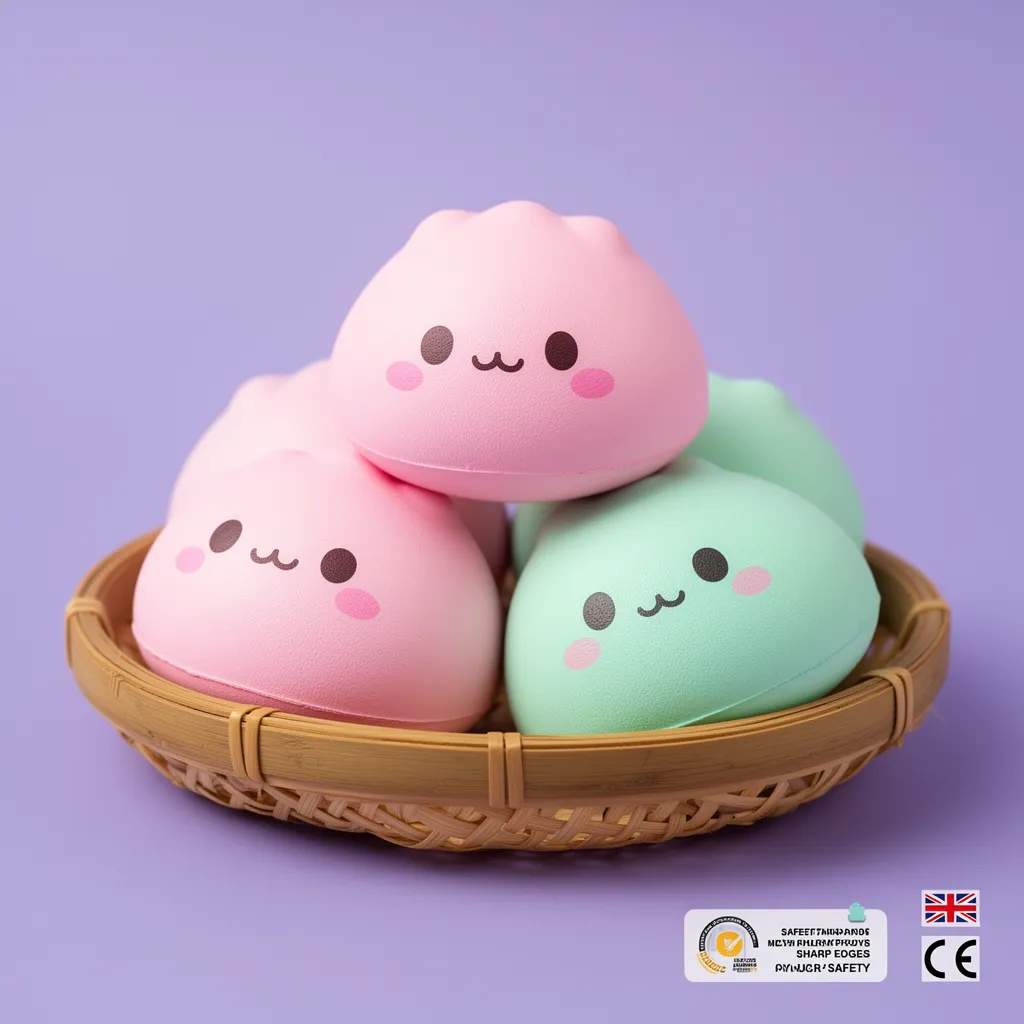
The UKCA and CE marks on a squishy toy confirm that the manufacturer declares the product meets the legal safety requirements for toys sold in Great Britain or the EU — they are not a “quality” badge and they don’t test softness, scent or how long the foam will last. These marks relate to mechanical safety, flammability and chemical migration limits set out in law, not to the squishy experience itself. Understanding what they cover (and what they don’t) helps you shop smarter, whether you’re buying a tiny classic dumpling squishy or a jumbo giant one for the shelf. Below, we break down exactly what these marks mean, what standards sit behind them, and how to check before you buy.
What the UKCA and CE marks actually confirm

Both marks are a manufacturer’s self-declaration that a toy has been assessed against the applicable safety legislation before it goes on sale. In Great Britain, toys placed on the market must carry the UKCA or CE marking under the UK Toys (Safety) Regulations 2011. This is a legal requirement, not a voluntary quality scheme — it exists to stop unsafe toys reaching shop shelves, full stop.
The mark itself doesn’t tell you anything about how squishy, soft or slow-rising a foam toy is. It’s purely a compliance signal tied to physical, chemical and flammability risks. Two squishies can both carry a valid mark and still feel completely different in texture, density or scent — that’s down to the manufacturer’s own design choices, not the marking.
The EN 71 standards hiding behind the marks
Mechanical and physical properties (EN 71-1)
This part of the harmonised standard covers things like small parts that could detach and become a choking hazard, sharp edges and overall structural safety. For a squishy, this typically means checking that any glued-on decorations or small attachments are secure. It’s one of the reasons age warnings exist on toys with tiny components.
Flammability (EN 71-2)
This section sets limits on how a toy’s materials react near a flame source. Foam-based toys are assessed to make sure they don’t burn in ways that create additional risk. It’s a technical fire-behaviour test, not a claim that the toy is “fireproof”.
Migration of chemical elements (EN 71-3)
This covers limits on how much of certain chemical elements can migrate out of the toy material, particularly relevant for painted or coloured foam and fabric. It’s about controlling exposure through normal handling and mouthing, not a guarantee that a product contains zero trace elements. These three areas — EN 71-1, EN 71-2 and EN 71-3 — together form the backbone of what the CE and UKCA marks represent under UK toy law.
Why age warnings matter for squishy toys
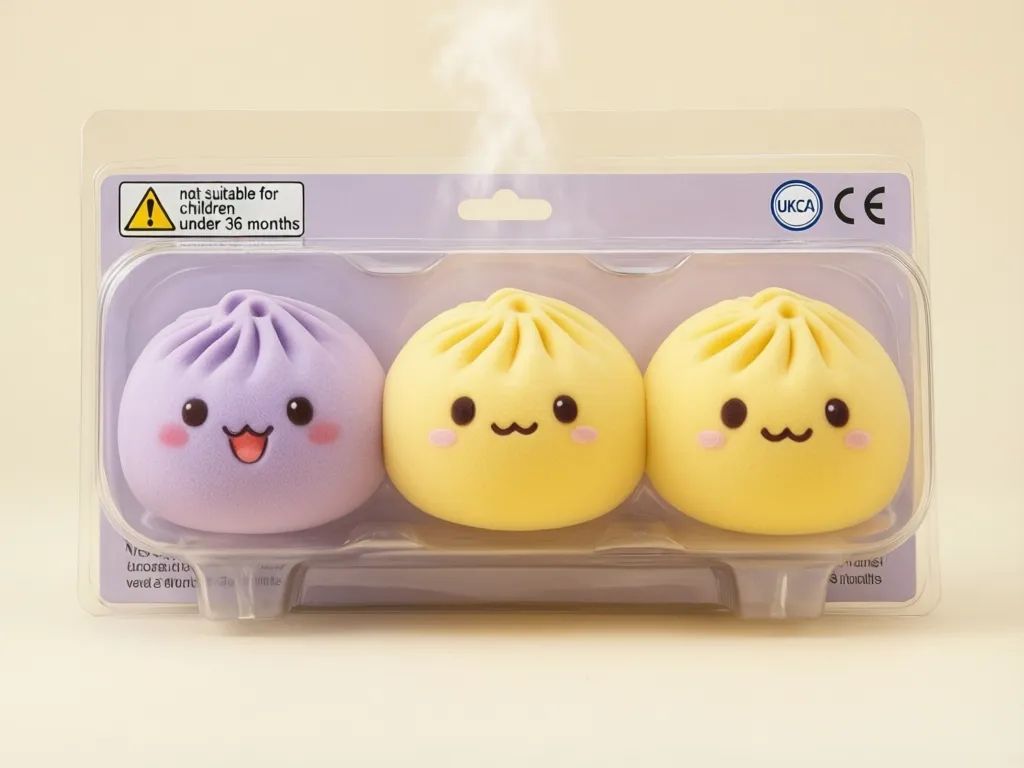
Where applicable, toys must display an age warning such as “not suitable for children under 36 months,” as required by the same regulations. This warning usually relates to small parts or choking risk rather than the squishy material itself, so it’s worth reading the specific wording on the packaging rather than assuming what it means. A tiny charm squishy from a mystery box with a keyring clip, for example, is a different risk profile to a large jumbo dumpling squishy with no small attachments.
If you’re buying for a younger sibling, a classroom prize box or a party bag, checking the age recommendation on the listing or packaging is the single most useful two-second safety check you can do. It’s far more specific and practical than relying on the presence of a mark alone.
How to check a squishy is properly marked before you buy
- Look for the mark itself: the UKCA logo or the CE logo should be visible on the packaging, not just mentioned in a product description.
- Check for a written age warning: genuine compliant listings state age suitability clearly, often alongside the mark.
- Read the material description: a listing that specifies the foam type and any coating gives you more concrete information than vague marketing language.
- Note the seller’s contact details: UK/EU compliance documentation should be traceable to a responsible party, which is usually listed on the packaging or seller page.
These checks apply whether you’re browsing a single soft pink dumpling squishy or a themed Halloween collection piece with extra paintwork or glitter finish.
What the marks don’t tell you — and what to look at instead
The UKCA and CE marks say nothing about how slowly a squishy rises back into shape, how strong the scent is, or how long the foam will keep its bounce after months of squeezing. Those are product-quality questions, separate from legal safety compliance. If slow-rise performance matters to you, it’s worth reading detailed product descriptions or asking directly rather than assuming the safety mark covers it.
Decorative finishes are another area the marks don’t fully explain to a shopper at a glance. A glitter-finished squishy or a flag-print design uses additional coatings or inks, and while these fall under the same EN 71-3 migration limits as any other decorated toy, it’s still sensible to check the listing for material details if you’re buying for a child who mouths toys.
Mini FAQ
Does a CE or UKCA mark mean a squishy has been independently lab-tested?
The mark is the manufacturer’s declaration of conformity with the legal requirements, and it can be backed by testing, but the mark itself is a compliance statement rather than proof of a specific independent lab report. If you want assurance, check whether the seller can point to supporting documentation.
Can a toy have both a UKCA and a CE mark?
Yes, many toys sold across the UK and EU carry both marks because they’re placed on both markets, and each mark corresponds to the respective region’s legislation. Seeing both isn’t a red flag — it simply reflects wider distribution.
What should I do if a squishy has no visible safety mark at all?
Under the Toys (Safety) Regulations 2011, toys placed on the market in Great Britain are required to carry the UKCA or CE marking, so its total absence on packaging is worth querying with the seller before buying, especially for younger children.
Knowing what the UKCA and CE marks legally represent takes the guesswork out of squishy shopping, and lets you focus your attention on the details that actually matter — age suitability, material description and how the toy will be used at home. Ready to squeeze something new? Browse our full dumpling squishy collection and find your next slow-rise favourite.