 squishy
The CE marking shows that a squishy meets the toy safety rules that apply here in Great Britain, and the EN 71 standards cover three key areas: mechanical properties (EN 71-1), flammability (EN 71-2) and the migration of chemical elements (EN 71-3). In practice, this means a compliant squishy has been designed to limit small parts that could come loose, resist catching fire easily, and avoid releasing harmful substances when in contact with skin or mouth. It’s not a lifetime “zero risk” guarantee, but a serious framework every manufacturer must meet before selling toys in the UK. We’ll explain it all simply, without unnecessary jargon, so you can choose your squishies with complete peace of mind. 🥟
The CE marking: a mandatory passport, not a quality label
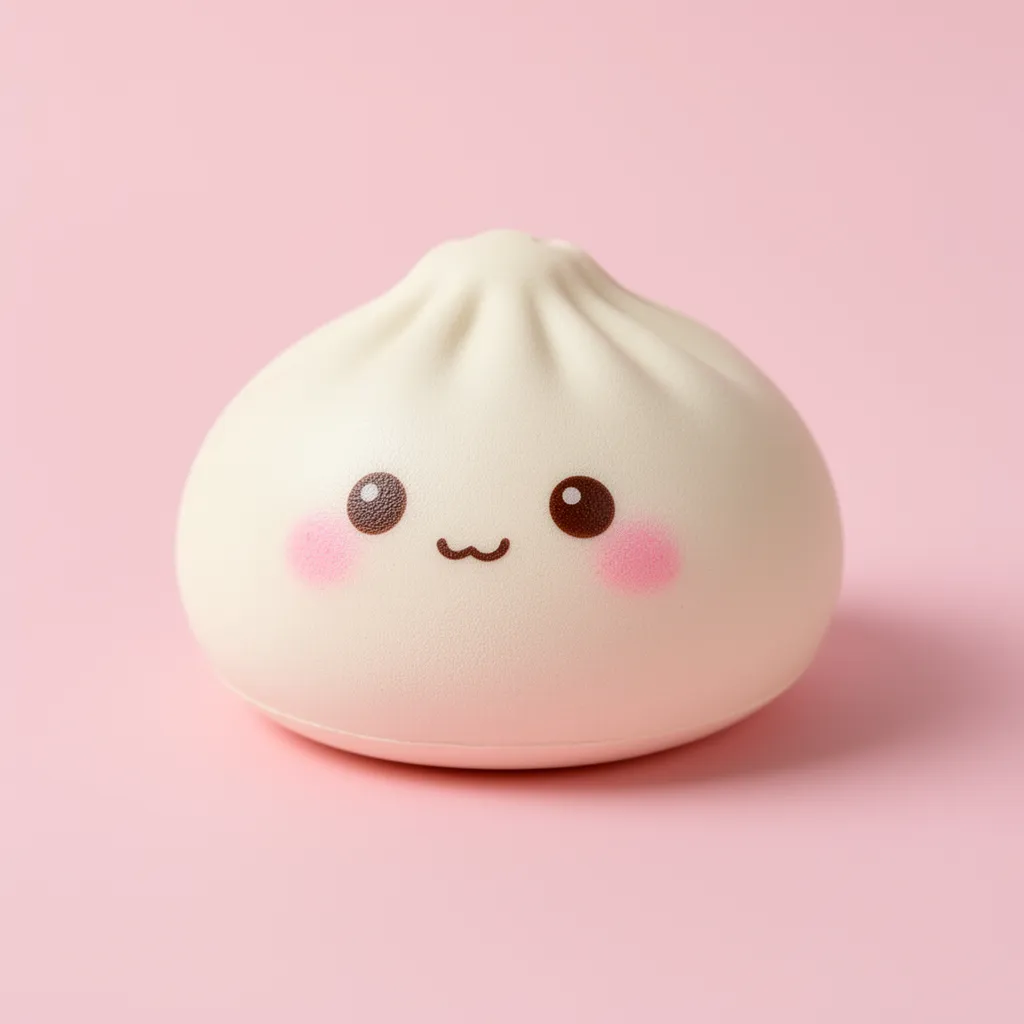
The CE marking isn’t a prize handed out to the best toys: it’s a declaration by the manufacturer confirming that their product meets current toy safety legislation. Under the Toys (Safety) Regulations 2011, every toy sold in Great Britain must carry the UKCA or CE marking, squishies included, whenever they’re considered toys intended for children.
In practice, this marking must be visible on the packaging or on the product itself. Its absence is an immediate red flag: it can mean the seller has never had their product tested, or that they’re importing it without following UK safety rules. It’s a good habit to keep for all your toy purchases, squishies included — including when you’re browsing our Dumpling Squishy range, from Classics to more unusual shapes. The marking is applied by the manufacturer, not the retailer: if the packaging you receive doesn’t carry it, tell the seller — us included.
The EN 71 standards: what each part actually checks
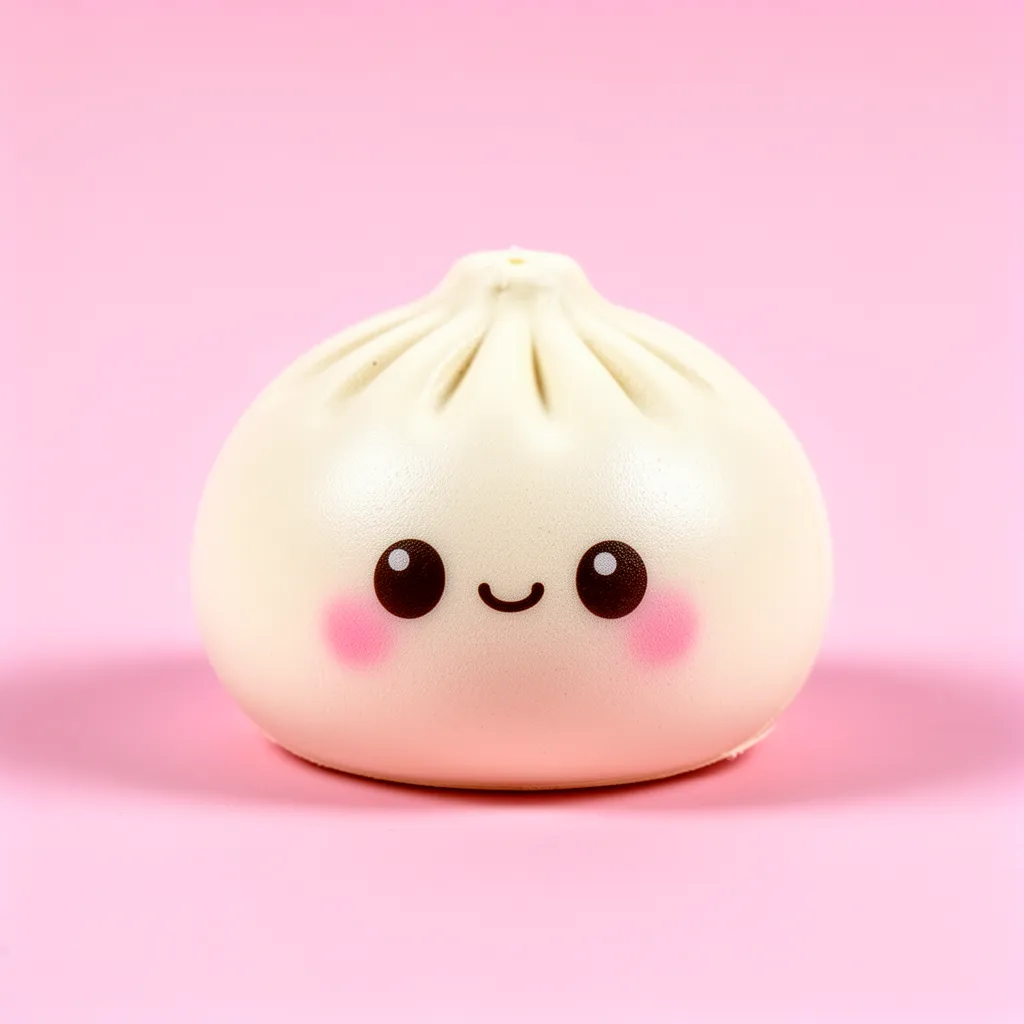
The CE marking relies on harmonised technical standards, the well-known EN 71 series, which set out the concrete checks involved. Here’s what each part covers, no mystery involved:
- EN 71-1 (mechanical and physical properties): sturdiness of the foam and finishes, absence of small detachable parts that could be swallowed, and how well the slow-rise material holds up to handling and accidental bites.
- EN 71-2 (flammability): the squishy mustn’t catch fire easily or let a flame spread quickly if it comes into contact with a heat source.
- EN 71-3 (migration of chemical elements): this part sets limits on how much of certain chemical elements can migrate from the foam onto skin or saliva, with precise thresholds that mustn’t be exceeded.
These three standards work together: a toy that only met one of them couldn’t legally carry the CE marking. It’s this trio that separates a squishy designed to last and be handled worry-free from one that’s been thrown together in a hurry.
How to check a squishy is genuinely compliant before you buy
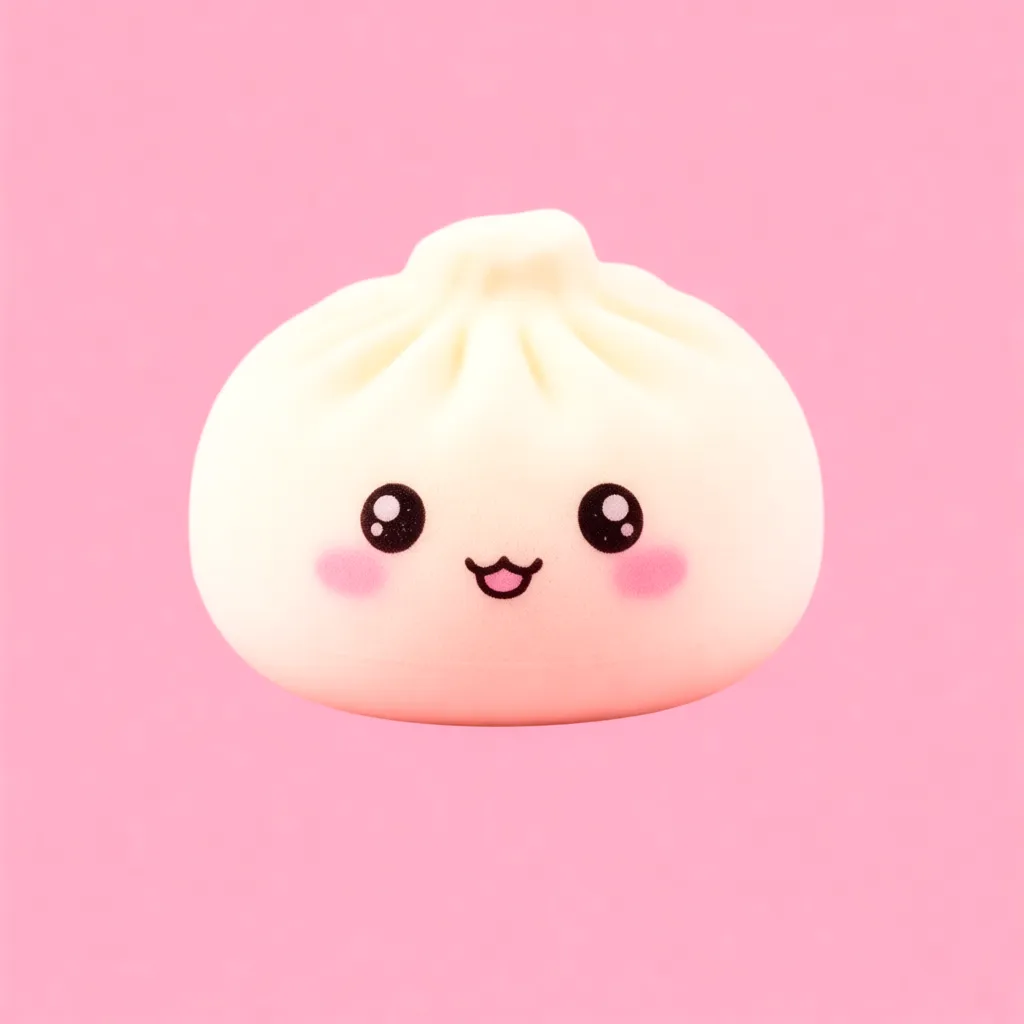
Check the label and the age warning
A suitable toy should always display an age warning where relevant, such as the wording “not suitable for children under 36 months” when the product includes parts that could be swallowed. Before adding a squishy to your basket, check that the product page clearly states the recommended age and that the CE (or UKCA) marking is mentioned in the description or on the packaging photos.
Choose sizes suited to the child’s age
All our product pages recommend an age of “3 years and up”: a squishy isn’t suitable for toddlers, who still often put objects in their mouths. Past that age, choose the size based on the child: Giant squishies offer a large piece that’s easy to grab with both hands, while the smaller Rarities models suit older children or adult collectors better.
Trust your nose and your hands
A compliant squishy generally has a neutral or lightly scented smell without being overpowering, and its slow-rise material gradually returns to shape after being squeezed, without leaving a sticky residue on your fingers. If a product smells strongly of plastic or glue, or deforms in an unusual way, that’s worth taking seriously, regardless of any marking shown.
Safety and everyday use: what goes beyond the standards
The EN 71 standards cover manufacturing, but responsible everyday use rounds off this safety. A squishy isn’t a bath toy or something to put in your mouth all the time, even when compliant: it’s first and foremost something to squeeze, sniff and cuddle to help you unwind. Keep it away from direct heat (radiators, a car left in full sun) to protect its slow-rise material and avoid any premature deforming.
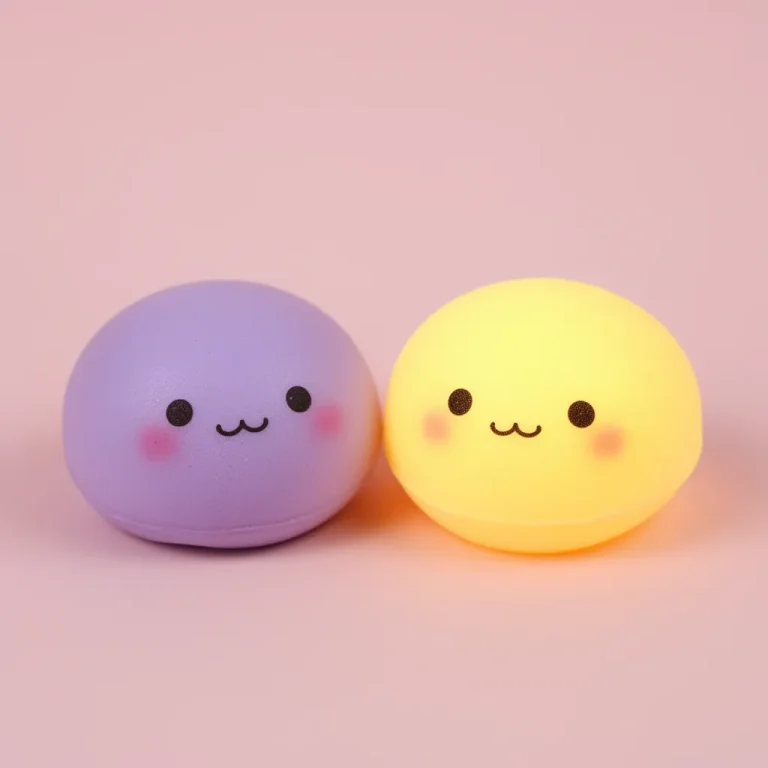
For children who love collecting with complete confidence, our Mystery & Surprises boxes and Boxes & Sets let you discover several designs in a single order — a great way to mix up shapes and textures without ordering separately each time. And for bedtime routines, our Night Lights combine the softness of a squishy with gentle lighting, designed to help little ones drift off peacefully.
Mini FAQ on squishy safety
Is a squishy without CE marking automatically dangerous?
It certainly hasn’t proven it meets the toy safety rules that apply here, which is reason enough to be wary. Without the CE (or UKCA) marking, there’s no guarantee that mechanical properties, flammability or chemical migration have been checked at all, so it’s best to steer clear of that kind of product.
From what age can a child have a squishy?
Our squishies are recommended from age 3, as shown on every product page. Below that age, a child still often puts objects in their mouth, so it’s best to wait. After that, simply choose a size that suits the child’s hands.
How can you tell if a squishy’s slow-rise material meets EN 71-3?
The CE (or UKCA) marking shown on the product or its packaging confirms that this check has been carried out by the manufacturer in line with UK toy safety law. It’s this marking, together with a clear CE mention on the product page, that you should look for before buying.
The CE marking and the EN 71 standards set out a clear safety framework, but making the right choice is also a matter of common sense: the right size, sensible use, and keeping an eye on labels. Our whole Squishy Dumpling collection is designed with this in mind, so feel free to come and sniff, squeeze and choose your next squishy companion in the shop. 🍡